Film Blowing Machine Buyer's Guide:5 Expert Considerations for Industrial Buyers
2026-03-12Introduction:
Investing in a film blowing machine requires balancing technical specifications with operational economics. Industry data reveals that 60% of operational inefficiencies stem from mismatched equipment selection. This guide cuts through the noise to deliver actionable insights for procurement managers.
1.Throughput vs. Reality: Calculating True Capacity
Nominal output ≠ sustainable production (account for 15-20% downtime).
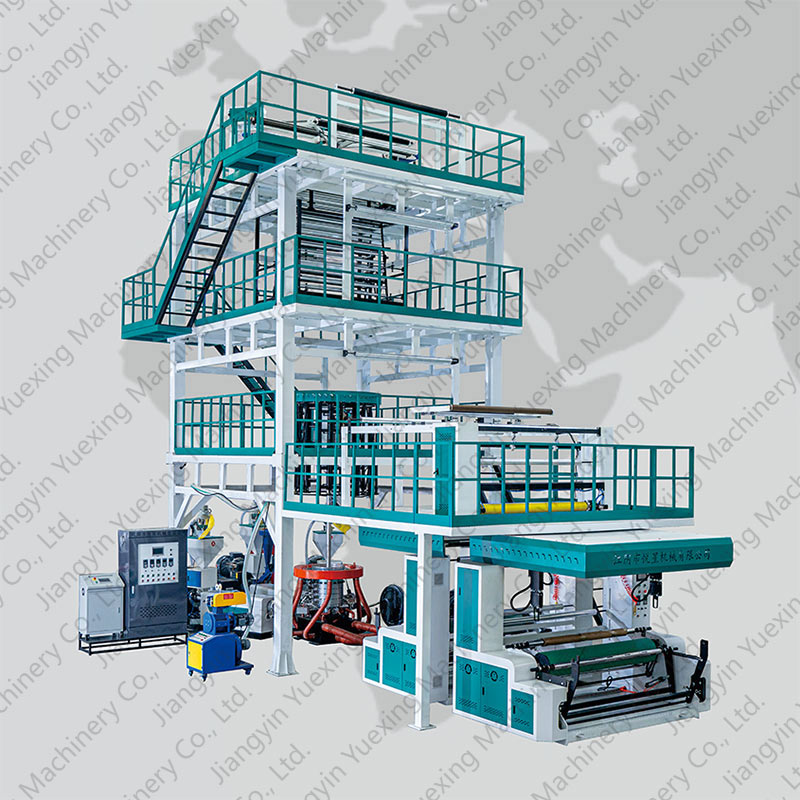
Case Study: A Brazil packaging plant increased yield by 22% by right-sizing their 1800ABC machine.
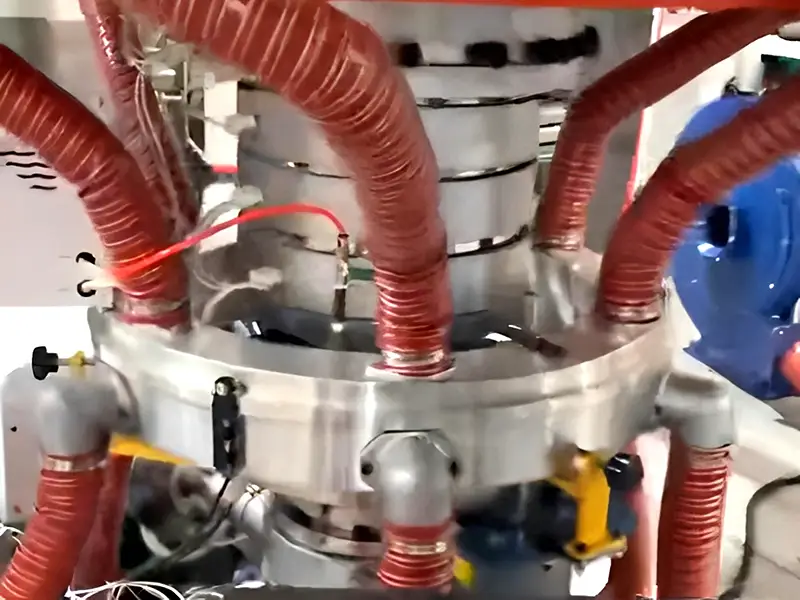
2.Material Science Matters: Beyond LDPE/HDPE
LLDPE demands higher melt strength; biodegradable resins require specialized screws.
Pro Tip: Request a resin compatibility chart from the manufacturer.
3.Energy Consumption: The Hidden Cost Multiplier
European Tier-3 regulations now penalize high kWh/kg ratios.
Solution: Variable-frequency drives (VFDs) reduce energy waste during low-load periods.
4.Aftermarket Reality: The 72-Hour Service Benchmark
Verify average response times for critical parts (e.g., torque shafts, heater bands).
Red Flag: Suppliers without regional warehouses in your target market.
5.Modularity: Future-Proofing Your CAPEX
Upgrade paths for IoT-enabled monitoring (predictive maintenance ready?).
Conclusion:
Strategic purchasing transforms Capex into competitive advantage. For a confidential consultation on your specific requirements, contact our engineering team.
Expert Insights & FAQ
Previous:Stable 1100mm AB film blowing machine: Why This Machine is the "Workhorse" for PE Packaging Plants
.webp)