How to Reduce Energy Consumption in Blown Film Production: 3 Key Strategies to Cut Costs by 30%
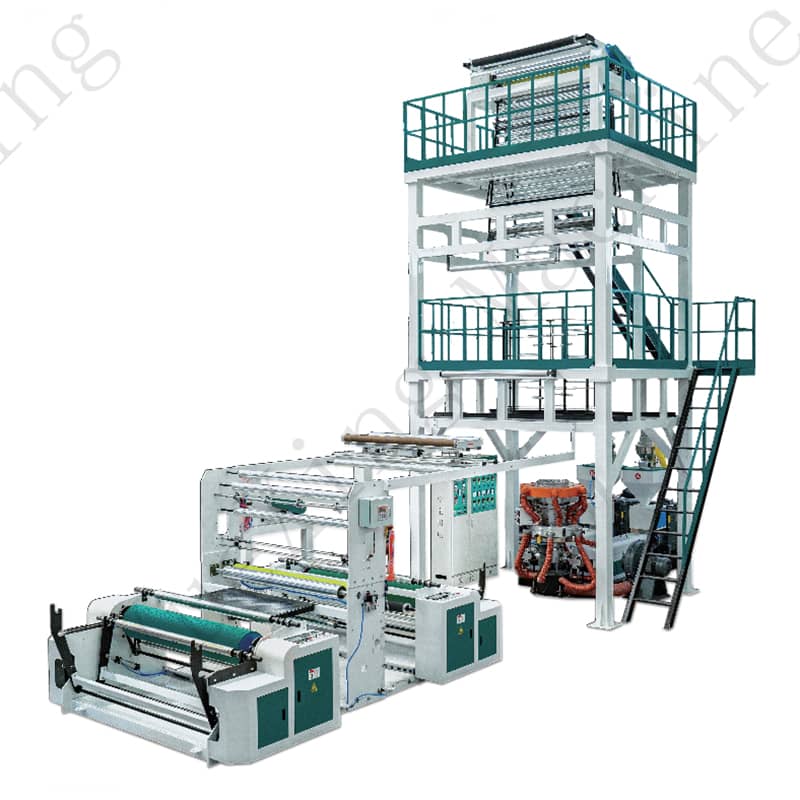
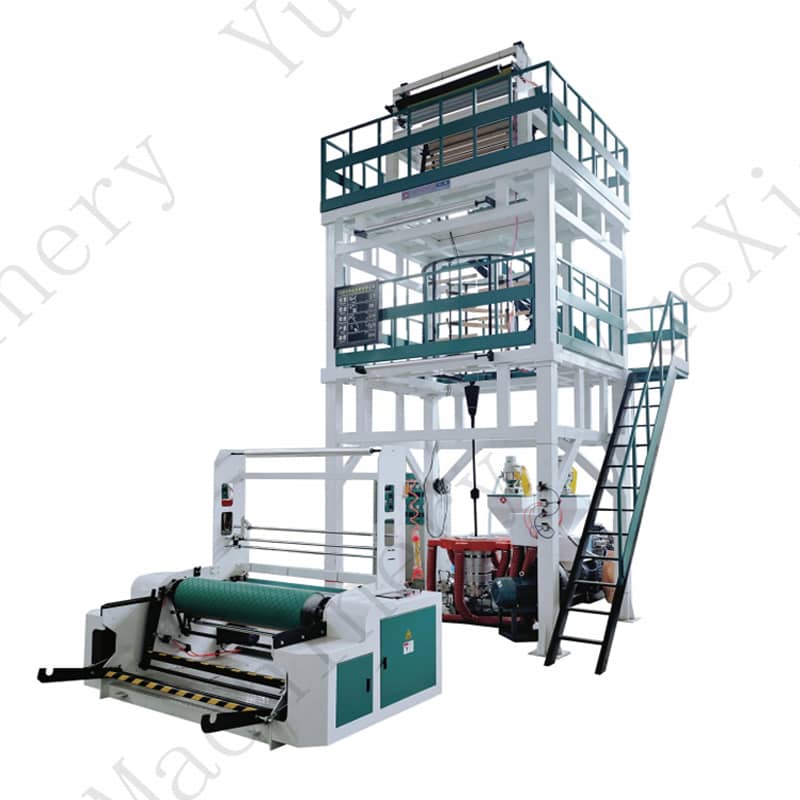
2026-03-30Energy is the second-largest operating cost on most film blowing machine lines, right after raw material. And unlike resin prices — which you largely accept — energy draw is something you can engineer down. The question is where to start.
Servo Drive Systems: The 30% Benchmark Is Real
The headline claim you'll hear from most suppliers — "30% energy savings with servo motors" — isn't marketing fiction, but it requires context. Conventional AC induction drives running haul-off rolls and winders consume power proportional to their maximum rated load, whether they're working hard or coasting. Servo drive systems, by contrast, draw power proportional to actual torque demand.
In practice, on a mid-size LDPE line running 300–400 mm layflat at 60–80 m/min, a full servo upgrade on the haul-off, winder, and oscillating haul-off typically delivers:
Typical Energy Savings via Servo Upgrades:
🚀 Haul-off: 28–34%
🚀 Winder: 22–30%
🚀 Extruder Drive: 8–15%
The payback period on servo retrofits for existing lines typically runs 18–30 months depending on local electricity tariffs and line utilization rate. On new equipment purchases, servo drives should be standard spec, not an option — the cost delta is roughly 6–9% of machine price, and it's recovered in under two years at European energy rates.
Industry 4.0 and OEE Monitoring: Where Digital Pays Off
The machines that matter right now aren't just faster — they're smarter about how they report their own efficiency. Overall Equipment Effectiveness (OEE) monitoring, which tracks availability, performance rate, and quality rate in real time, has moved from a nice-to-have to a competitive differentiator for any converter running multiple shifts.
Leading equipment manufacturers — including W&H with their VAREX II platform and its Procontrol operating interface — have integrated remote OEE dashboards that allow production managers to monitor line performance from any device. The practical impact: downtime events that previously went untracked (a 4-minute bubble collapse here, a 12-minute haul-off speed oscillation there) become visible data points that operators and engineers can systematically address.
Industry Context — W&H VAREX II at K 2025
At the K 2025 show in Düsseldorf, W&H demonstrated the VAREX II handling up to 11-layer co-extrusion with a production width range of 1,300–3,600 mm and screw diameters from 50 to 135 mm. The platform supports PLA, EVOH, PA, and recycled materials, with rapid product changeover as a core design objective — minimizing startup waste and reducing energy per tonne of output.
Cooling System Efficiency: The Overlooked Energy Drain
Most energy audits on blown film lines focus on the extruder and drives. Few look hard at the air-cooling system — and that's a mistake. The internal bubble cooling (IBC) system, if poorly maintained or under-specified, forces operators to reduce line speed to compensate, which effectively means more energy per kilogram of film produced.
A well-calibrated dual-lip air ring combined with an efficient IBC system can sustain frost line heights 20–30% higher than a conventional single-lip design, which translates directly into output rate improvements of 15–25% — at the same energy draw. That's a compounding benefit: more output, same power, lower energy cost per unit.
Optimizing cooling isn't just about film quality; it’s about maximizing your kilograms-per-kilowatt (kg/kW) ratio.
Is your current blown film line drawing too much power? Contact our engineers for a professional energy audit or to discuss servo retrofit options before CHINAPLAS 2026.
Previous:Troubleshooting Guide: How to Solve Film Wrinkles (Ruffles) in ABA/ABC Film Blowing Machines?
Next:How is Output Capacity (kg/hr) Linked to Maximum Film Width - How Should I Spec the Extruder Size?
.webp)

Since 1999, Yuexing Machinery has been at the forefront of film blowing machine innovation. Our advanced technology and dedication to quality have made us a reliable partner for businesses worldwide. Whether you need single-layer or multi-layer solutions, we are here to meet your needs.