Film Blowing Machine Price: What You Actually Pay For
2026-06-03I’ve quoted thousands of extrusion lines over the last 30 years, and here is what confuses 90% of global buyers: Why do prices range from $15,000 to $250,000 for what looks like the exact same film blowing machine?
Just last month, a regular customer from South America asked me during a technical consultation: "Ryan, why does your YX-1100AB co-extrusion line cost $8,000 more than the local quote I got from another supplier?"
I didn't give him a standard sales pitch. Instead, I broke down the hard mechanical numbers. By the end of this guide, you’ll understand exactly where every dollar goes when investing in a high-end blown film machine.
Just last month, a regular customer from South America asked me during a technical consultation: "Ryan, why does your YX-1100AB co-extrusion line cost $8,000 more than the local quote I got from another supplier?"
I didn't give him a standard sales pitch. Instead, I broke down the hard mechanical numbers. By the end of this guide, you’ll understand exactly where every dollar goes when investing in a high-end blown film machine.
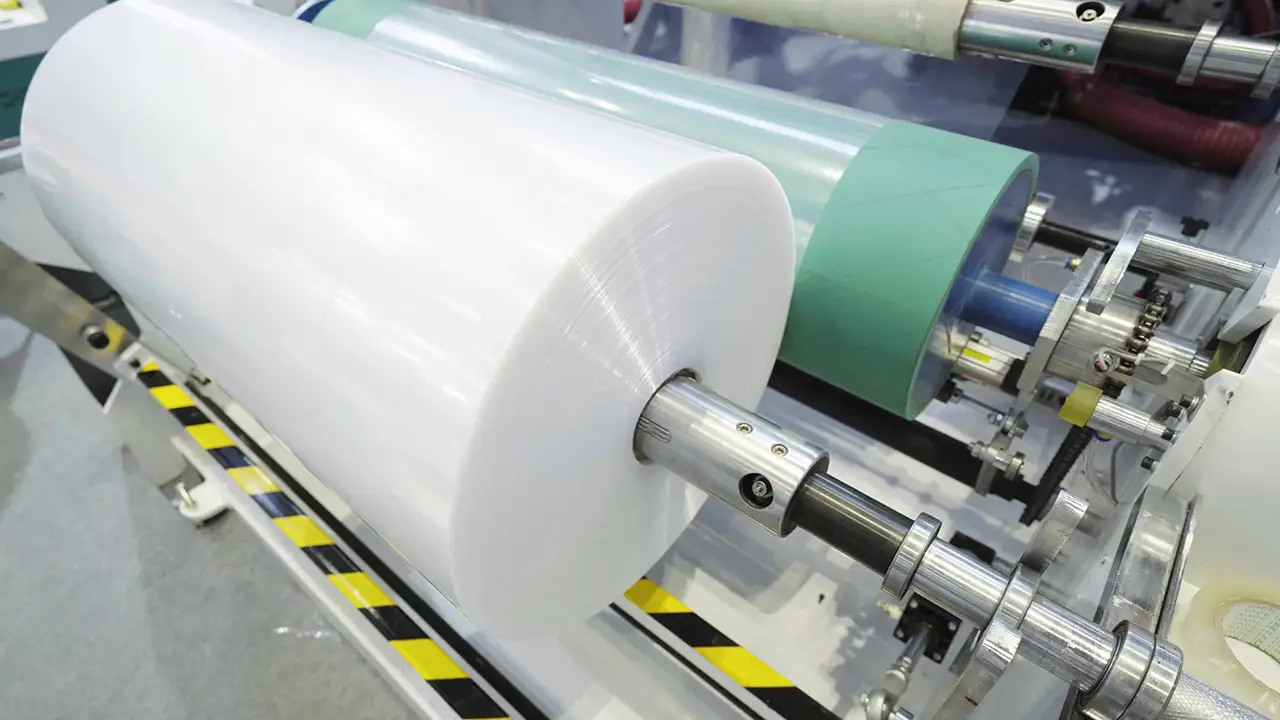
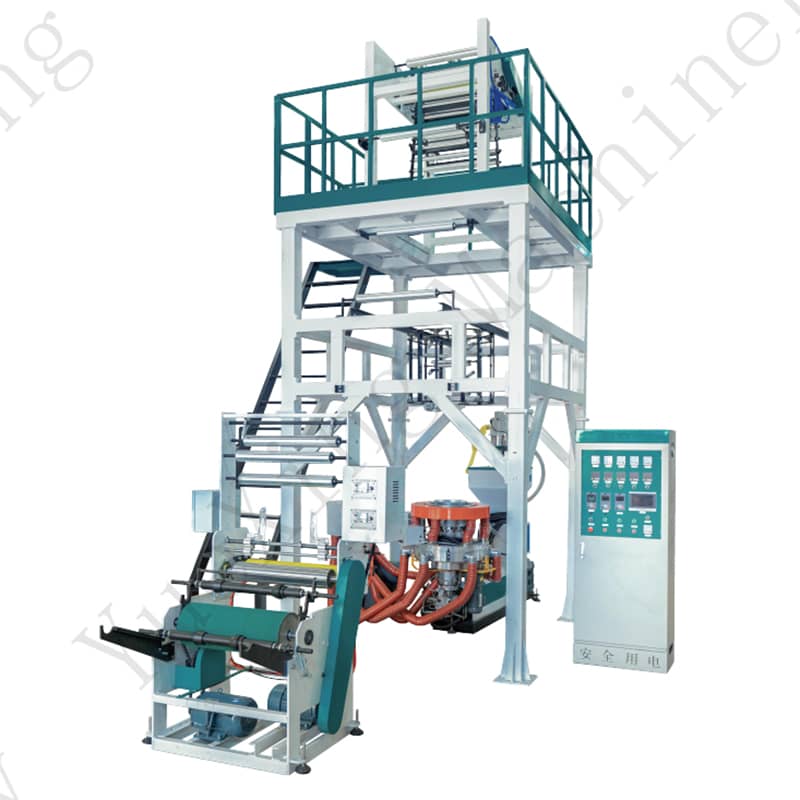
Yuexing High-Speed Multi-Layer Extrusion System. Source: CHINAPLAS 2026
1. The Global Market Price Reality
Let’s establish the current baseline market prices (FOB China Port) so you can baseline your project budgeting:
Entry-Level Monolayer Line: $15,000 – $30,000 (Manual mechanical parts, basic controls, ideal for local market T-shirt/garbage bags)
Standard Automated Monolayer: $30,000 – $50,000 (Equipped with auto-winders and premium component baselines)
Multi-Layer Co-Extrusion (ABA / ABC): $40,000 – $120,000 (Our flagship segment, including specialized multi-layer die heads)
Advanced High-Barrier Line (5-Layer+): $80,000 – $250,000+ (For specialized medical, food-grade barrier packaging, and heavy industrial stretch hoods)
2. Component Quality: What You Are Actually Upgrading
The frame of a film blowing machine might look similar across suppliers, but the internal component standards determine your factory's profitability for the next 10 to 15 years.
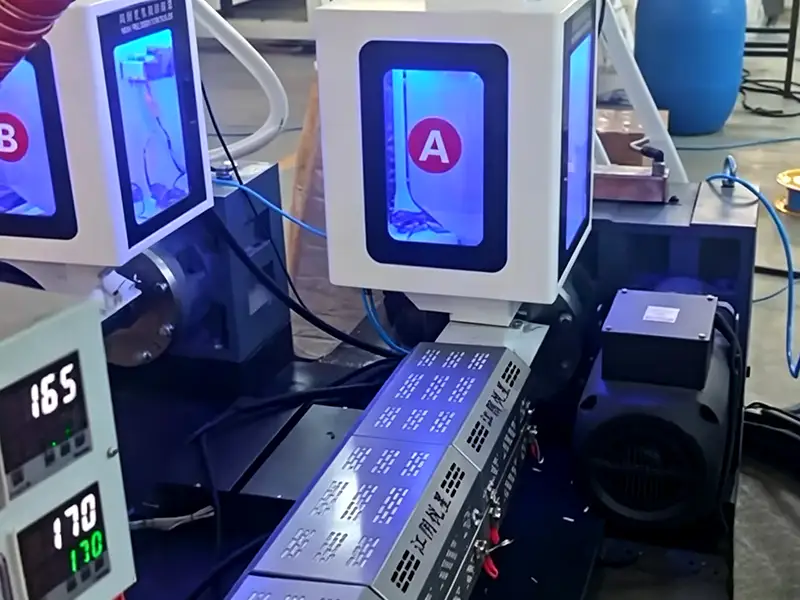
At Yuexing Machine, we choose premium configurations not to increase our price, but to protect your production stability:
| Component Type | Low-Cost Baseline Standard | Yuexing High-End Manufacturing |
| Screw & Barrel | StandardStandard Carbon Steel (Wears out in 2-3 years) | 38CrMoAlA Alloy Steel with deep bimetallic nitriding treatment (Handles aggressive $CaCO_3$ or recycled formulas for 8-10 years) |
| Main Motor | Unbranded or Generic local motors | Siemens / ABB AC variable frequency drive systems |
| Inverters | Budget domestic inverters | Schneider / Delta / Panasonic heavy-duty industrial series |
| Temperature Control | Basic analogue relays | Omron Smart PID digital control with Solid State Relays (SSR) |
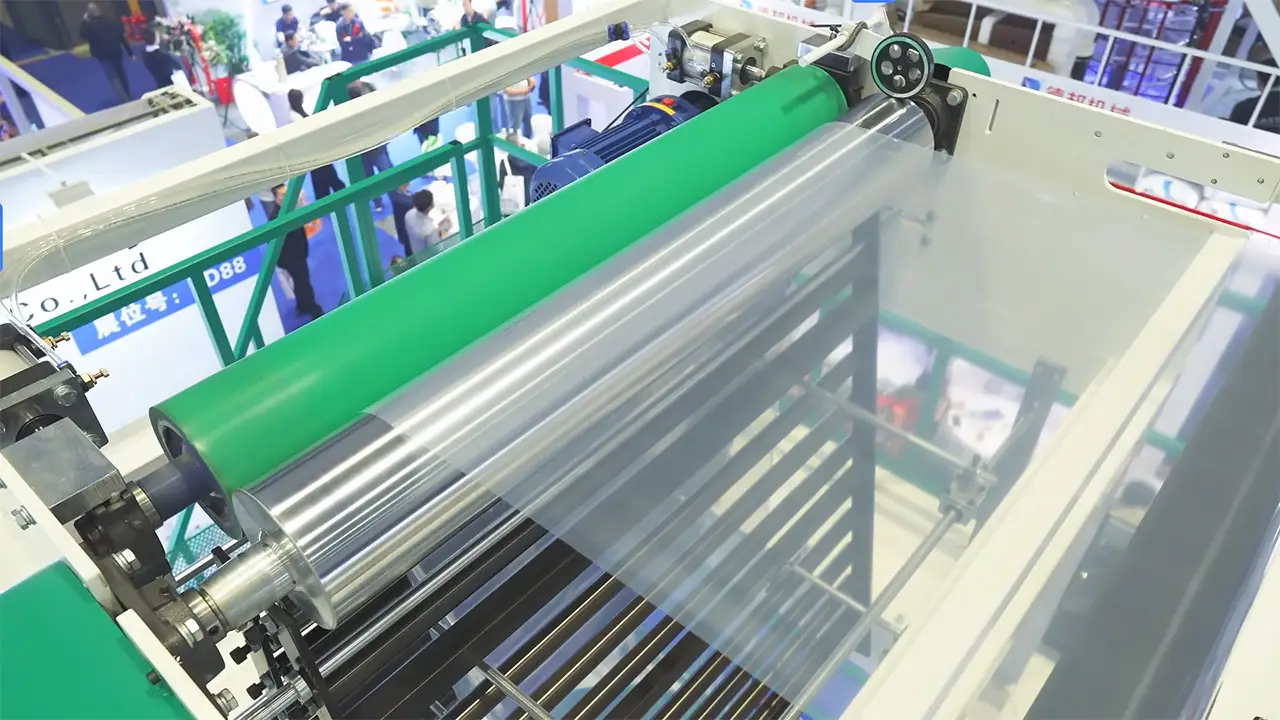
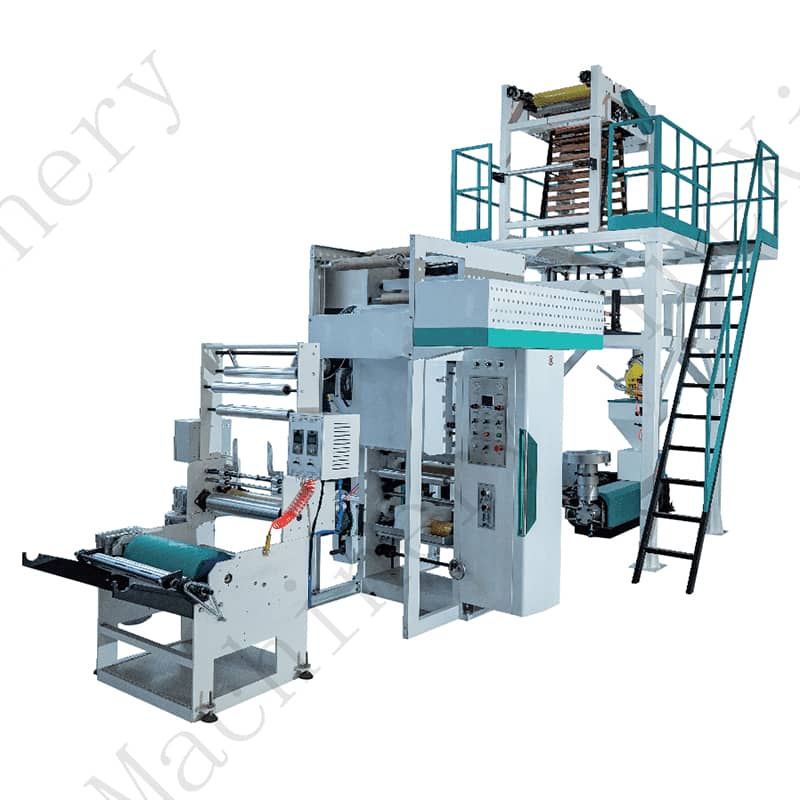
Yuexing traction winding film blowing machine. Source: Chinaplas 2026
3. The Hidden Startup Costs
Many budget suppliers quote an incredibly low machinery price just to get you through the door, conveniently forgetting to mention the essential accessory costs.
When planning your layout, remember to factor in these real logistics data points:
Rigorous On-Site Technical Installation: $2,000 – $15,000 (Depending on line complexity and PLC automation)
Operator Advanced Training: $2,000 – $5,000 (Critical for multi-extruder ratio synchronization)
Essential Initial Spare Parts Inventory: $3,000 – $10,000 (Die-lip heating elements, extra thermocouples, blades, filter screens)
Ryan's Golden Budget Rule: Always buffer 15% to 20% above the machine sticker price for shipping, duty clearance, foundation setup, and utility hookups.
4. Why Some Lines Justify the Premium Price
A $50,000 machine isn't always superior to a $40,000 one. However, a premium $60,000 co-extrusion line can easily save you hundreds of thousands of dollars over its lifespan.
Here is the hard math from our client data:
Raw Material Efficiency: Our YX-1350ABA series allows you to replace up to 40% to 50% of the core layer with cheap recycled granules or calcium carbonate masterbatch. The outer premium skin stays pristine. This reduces raw material cost by 3% to 5% annually.
Power Conservation: By utilizing optimized screw geometry and energy-efficient ceramic heaters paired with Siemens driving systems, our lines provide a 10% to 15% reduction in electricity consumption per ton of film produced.
5. The Real Price Trap: A Case Study from My Desk
Two years ago, a buyer from Eastern Europe bypassed our quote to buy an ABC line that was $18,000 cheaper than our offer.
Six months into production, the cheaper machine’s non-bimetallic screw degraded due to the high-percentage recycled LDPE formula they were running. The film gauge thickness tolerance began fluctuating by more than 15%, causing massive rejection rates from their local packaging clients.
Between the raw film waste, a cracked die-head component, and 3 weeks of total factory downtime waiting for replacement parts, they lost over $35,000 — double what they originally saved on the machine purchase.
6. How to Get a Dead-Accurate Quote
To stop wasting time with generic automated email quotes, make sure to provide your manufacturer with these 5 precise production requirements:
Target Resins: (e.g., HDPE, LDPE, LLDPE, mLLDPE, or specific percentage of Recycled Regrind)
Lay-flat Film Width & Thickness: Provide your exact minimum and maximum ranges in millimeters and microns.
Required Extrusions Capacity: Target output in kilograms per hour (kg/h).
Automation Preferences: (e.g., Manual vs. Hydraulic Screen Changer, Mechanical vs. Fully Automatic Center Winder).
Target Application: Are you producing retail T-shirt shopping bags, industrial shrink wrap, or high-barrier food grade packaging?
Bottom Line: Total Cost of Ownership Wins
Price matters at checkout, but total cost of ownership (TCO) dictates your monthly survival in the highly competitive plastic manufacturing industry.
Before you wire a deposit to any supplier, run down this final checklist:
Do you know your exact thickness tolerance requirements?
Is installation technical supervision, on-site testing, and warranty terms legally written in the contract?
Have you calculated the long-term energy and scrap-rate costs rather than just looking at the initial machine price?
Does the supplier offer real-time remote troubleshooting and clear after-sales support systems?
Ready for an Honest, Factory-Direct Quote?
We have proudly delivered over 500 custom-engineered production lines across 30+ countries worldwide since 1996. Contact my engineering desk directly today. No inflated numbers, no hidden setup fees—just transparent, premium engineering.
Yuexing Machine (Jiangyin Yuexing Machinery Co., Ltd.)
Industrial Expert: Ryan Zhang (Sales Director)
Direct Email: ryanzhang911222@gmail.com
WhatsApp/Mobile: +86 13771616165
Technical Insights Portfolio: June 2026
Expert Insights & FAQ
Previous:5 Costly Mistakes When Choosing Film Blowing Machine (And How to Avoid Them)
Next:ABA Film Blowing Machine: Why Egyptian Buyers Are Switching to 3-Layer Co-Extrusion