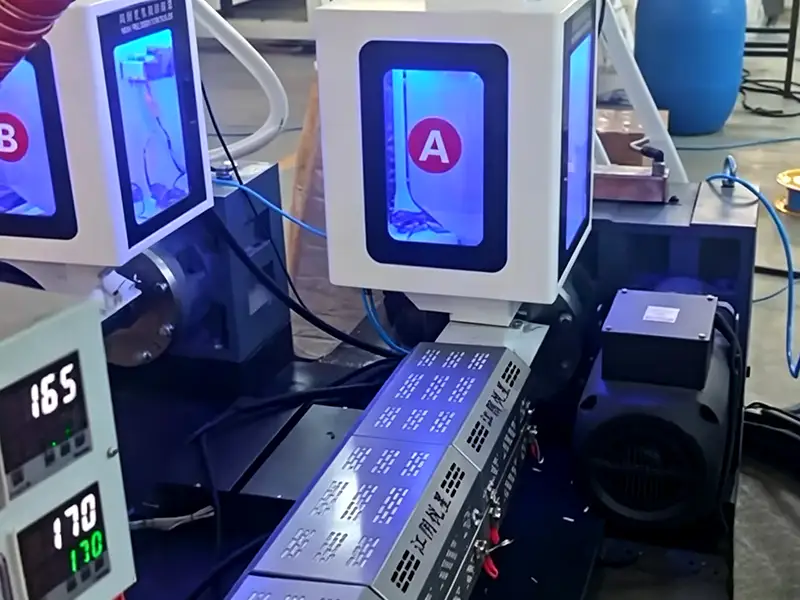
New vs. Used Film Blowing Machine: Which Actually Saves You More Money?
2026-10-07A used film blowing machine at 40% off the new price sounds like an obvious deal. Every seller says the machine is "in great condition" and "80% new." If the photos look clean and the price is right, what's not to like?
Here's the thing about used film blowing machines — "80% new" means something different to every seller.
I've been in this business for 30 years. I've seen buyers pick up a well-maintained used line and run it reliably for years.I've also seen buyers save 40% on the purchase price, only to spend the next six months chasing one common problem after another.The difference is whether you know how to look past the paint job and see what's actually wearing out inside.
Let me be upfront: we sell new film blowing machines, so of course I'm biased. But I've also been called in to troubleshoot enough used machines that I can tell you exactly what you're really buying — and when a used machine is actually a smart choice.
When a Used Machine Is Actually a Good Deal
Used film blowing machines aren't a compromise — they're a different value proposition. They make sense in specific situations:
You're testing a new product or market and don't want to sink full capital into a new line yet
You need a backup machine for overflow or to keep production running during maintenance
You found a late-model machine from a factory that's upgrading — one with full maintenance records and low operating hours
Your product is simple — single-layer LDPE bags, standard thickness, nothing that pushes the machine's limits (if you need multi-layer, check our ABA line applications.
In these cases, a good used film blowing machine can save you 30-50% compared to new, and if it's genuinely well-maintained, it might run reliably for years.
The catch is this: two film blowing machines can both be called "used, good condition" and be in completely different states. One might have been maintained weekly by a full-time technician. The other might have been run 24/7 by an operator who never changed the gearbox oil. They look the same in photos. They don't perform the same on your factory floor.
What Actually Matters When You Inspect a Used Machine
If you're considering a used film blowing machine, these are the things that will cost you the most money down the line. None of them show up in a listing photo. Check every one of them before you pay.
1. Maintenance History (Not Just "We Maintained It")
Start with the simplest question: "Can I see the maintenance records?"
If the seller has dated records — oil changes, screw measurements, die head inspections — that tells you one thing. If they say "we maintained it regularly" but can't show you anything on paper, you have to assume it wasn't done consistently. It's not that they're lying — it's that "regularly" means different things to different factories.
A film blowing machine without maintenance records isn't necessarily a bad buy. But you should price it as if the major wear parts are near end-of-life — because you have no way of knowing otherwise.
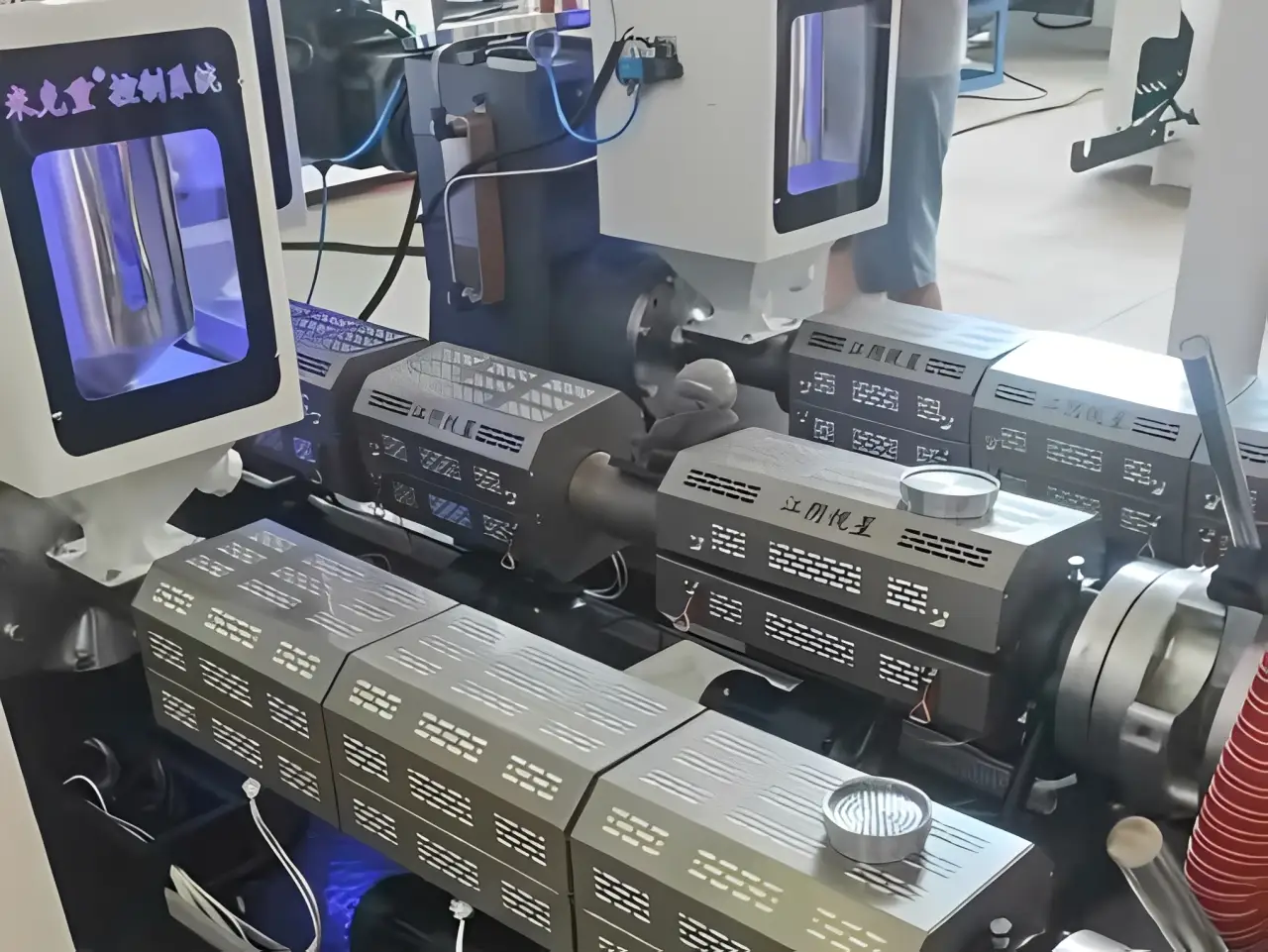
2. Screw and Barrel Wear
The screw and barrel are the heart of the extruder, and they wear out over time. When they do, output drops, film quality suffers, and eventually you need to replace both — a major repair that means pulling the entire extruder apart.
How to check it properly:** Ask the seller to measure the barrel inner diameter and screw outer diameter at several points, and compare those numbers to the manufacturer's original specs. If you don't know the original specs, have a technician who knows the brand take a look. A visual inspection of the screw (pulled out of the barrel) can also tell you a lot — scoring, discoloration, and wear patterns all mean something.
3. Die Head Condition
The die head is where the film actually forms. Even small damage to the die lips can create gauge bands you can't tune out — and those cost you money in scrap every single shift.
What to look for:
Check the die lips under a bright light for hairline cracks or scoring
Look for discoloration that might indicate overheating or material degradation
Ask if the die has ever been rebuilt or re-chromed, and when
A damaged die head can sometimes be repaired, but a full rebuild costs thousands of dollars and takes weeks of downtime.
4. Electrical and Control System
This is the sleeper problem that most first-time used-film-blowing-machine buyers miss completely.
Older Chinese film blowing machines — especially from the mid-2010s — sometimes use PLC systems and touchscreens from smaller domestic brands. If the screen dies or the PLC fails, you might not be able to find replacement parts. Then you're looking at a full electrical retrofit — a significant expense and a week or more of downtime.
How to check:** Find out what brand of PLC and touchscreen the machine uses. A well-known brand (Siemens, Mitsubishi, Delta) means parts are available. An obscure brand you can't find on Google? Budget for a retrofit.
5. Spare Parts Availability Going Forward
Even if the film blowing machine runs perfectly today, something will break eventually. Will you be able to get parts?
If the original manufacturer is still in business and still supports that model, great. If the manufacturer went out of business, or if it's a small workshop that only built a few machines of that model, you could be stuck machining custom parts every time something breaks. That gets expensive fast.
The Real Cost of Buying Used
Let's say you find a used film blowing machine at roughly half the price of a comparable new one. That sounds like 50% savings — but here's what the total cost usually looks like:
| Item | Relative Cost |
|---|---|
| Purchase price | ~50% of new |
| Inspection and testing before shipping | 3–5% of purchase price |
| Shipping and import | Same as new machine |
| Installation (may need extra time for troubleshooting) | 5–10% of purchase price |
| Immediate repairs and upgrades (screw/barrel, die, electrical) | 10–30% of purchase price |
| Contingency budget for first 6 months | 10–15% of purchase price |
When you add it all up, that "50% savings" can easily shrink to 10–25% — and you're getting a film blowing machine with unknown remaining life and no warranty.
That's not to say used is a bad deal. If the machine is genuinely in good shape and the price reflects the actual condition, it can be a smart move. But you have to go in with your eyes open — and budget for the repairs you'll probably need.
I tell buyers to budget 15–25% of the purchase price for immediate repairs and upgrades. If you're not prepared to spend that, don't buy a used film blowing machine.
When New Is Worth Paying More
A new film blowing machine costs more upfront — there's no way around it. But for many buyers, the premium pays for itself:
No surprises.You know exactly what you're getting — current specs, a warranty, known electrical standards, spare parts availability.
Built for your exact specs.Your voltage, your film width, your material mix, your output target. Not adapted from someone else's setup.
Direct support from the people who built it.If something goes wrong, you call the manufacturer. They know every part of the machine because they designed and assembled it.
Predictability.You know exactly when it will arrive, exactly what it will cost(see our price guide), and exactly what output you'll get. For a factory with orders to fill, predictability is worth money.
For a factory running production lines where downtime means lost orders and lost customers, the premium for a new film blowing machine is usually worth the peace of mind.
That said, new doesn't mean risk-free. You still need to choose the right supplier, the right model, and the right configuration. A cheap new film blowing machine from a supplier who cuts corners can be worse than a well-maintained used one from a reputable brand.
My Honest Take
Used vs. new film blowing machine isn't about which is "better." It's about which fits your situation — your budget, your production needs, how long you plan to run it, and how much risk you're comfortable with.
If you're considering a used film blowing machine, here's what I recommend:
Hire an independent technician to inspect it before it ships. The inspection fee is the best money you'll spend — it either confirms the machine is worth buying, or saves you from a mistake.
Budget 20% extra for repairs and setup.If you don't need it, great. If you do, you won't be caught off guard.
Ask why they're selling."We're upgrading to a larger line" is a good answer. "We don't use it much" could mean it's been sitting because it has problems.
Run a test if you can.If the machine is still installed, ask to see it running film at your target specs — with your material, if possible.
And if you're not sure? Get a free used-machine evaluation — send me the specs, the price, and the photos. Based on 30 years in this business, I'll tell you whether it's fairly priced and what repairs you should budget for. I won't try to sell you a new film blowing machine unless it actually makes more sense for your situation.
Choose based on your real needs, not just the sticker price. The cheapest machine isn't always the one with the lowest price tag — it's the one that costs you the least over the years you run it.
Written by Ryan Zhang, CEO, Jiangyin Yuexing Machinery Co., Ltd.
30 years in blown film extrusion technology. 2000+ machines delivered to 30+ countries.
Contact:ryanzhang911222@gmail.com | WhatsApp: +86 13771616165
Expert Insights & FAQ
Previous:Film Blowing Machine Installation: What to Know Before Your Machine Arrives
Next:Nothing...
.webp)