Film Blowing Machine Installation: What to Know Before Your Machine Arrives
2026-09-30The container arrives. Your team is excited — production is behind schedule and this film blowing machine is supposed to fix it. The supplier sends a technician for installation, just like they promised. Everything should be fine, right?
I've seen it too many times. The technician shows up, wires the machine, runs a quick test with their own resin, and leaves after two days. Your operator knows how to press the start button — but that's about it. A week later, the bubble won't stabilize when you run your material, the thickness is all over the place, and you have nobody to call because the installer already flew home.
Or the technician barely speaks English. You spend half the time using Google Translate to explain what's happening instead of actually fixing it.
Or they skip the basics — like confirming your voltage before shipping — and you spend the first day rewiring the control panel because the plug doesn't match.
If it's not our machine, we usually can't do much — we don't know the electrical schematics or control system specifics. But I always try to talk them through the basics over the phone. They usually get it running eventually — but it takes weeks instead of days.
Installation is where a lot of film blowing machine purchases go wrong. Every supplier says "we send a technician." The question is: what does that technician actually do when they get there? The difference between a good installation and a bad one is the difference between producing film in under a week and losing three months of production.
What a Proper Installation Actually Includes
Over 30 years of installing machines in 30+ countries, we've learned that a real installation has three non-negotiable parts. If any one of these is missing, you're going to have problems.
1. An On-Site Technician Who Speaks Your Language
"Online support" sounds great in a quote. In practice, it usually means a blurry video call with a technician on the other side of the world pointing at a control panel and saying "just press that button."
That's not support. That's damage control.
A proper film blowing machine installation means a real human being shows up at your factory — someone who built these machines, knows every sensor and circuit, and can train your operator in a language you both understand.
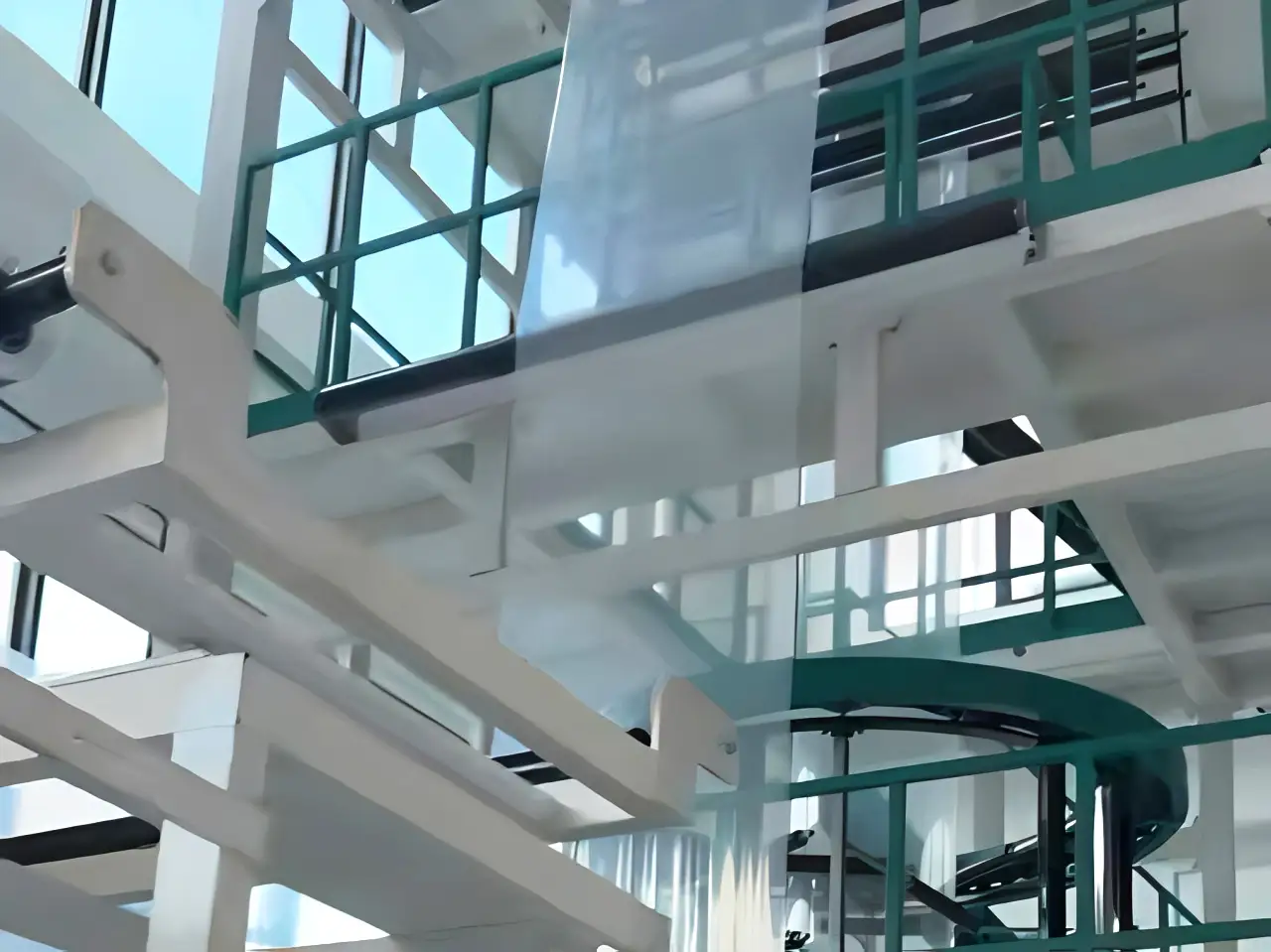
For our Thailand customer, our technician stayed for nearly a week. He didn't just wire the machine and leave. He trained the operator on die gap adjustment, how to read bubble instability, and left a quick-reference troubleshooting guide by the control cabinet. That line ran for months with only routine maintenance before their first service call.
2. Electrical Confirmation Before the Container Ships
This sounds obvious, but you'd be surprised how many suppliers skip it. They build the machine to their standard 380V/50Hz spec, ship it, and then figure it out when it arrives.
If your factory runs on 415V or 60Hz or a different plug standard, the supplier needs to confirm all of this before the machine leaves the factory. Not after. Because rewiring a control panel in your factory — without the right parts, without the wiring diagrams, without a technician who knows the system — is a nightmare.
We do an electrical confirmation checklist for every international order: voltage, frequency, plug type, wire gauge, available amperage. It takes an extra day before shipping, but it saves a week of headaches on your end.
3. A Running Test With Your Actual Resin
Here's the one almost nobody talks about. The supplier runs a factory test with their resin — usually the cheapest, easiest PE they can find. The machine runs great, they shoot a video, they ship it.
Then you put your resin in — maybe it's a recycled blend, maybe it's mLLDPE, maybe it has a specific slip agent — and suddenly the bubble won't stabilize, the thickness drifts, and the supplier says "that's your material, not our machine."
A proper installation includes testing with your actual resin. Not a sample batch from their shelf. Your resin, your formula, your target thickness and output. If the machine can't run your material, you find out during installation — not three months later when the warranty is about to run out.
This is also where the blow-up ratio gets dialed in correctly for your specific film width and thickness. Getting the bubble geometry right from day one saves weeks of trial and error later.
The Difference Between "Support" and Actually Supporting You
Every supplier says they offer "after-sales support." But what does that actually mean?
Here's how to tell the difference:
| What They Say | What It Usually Means | What Real Support Looks Like |
|---|---|---|
| "Online support" | WeChat video calls in Chinese, at our convenience | Video calls in your language, scheduled in your time zone |
| "Installation guidance" | A PDF manual and good luck | On-site technician for commissioning and training |
| "Warranty" | We'll send parts if it breaks — you figure out how to install them | We'll send someone to fix it, or walk you through it step by step |
| "Lifetime support" | We'll answer your emails... eventually | Phone / WhatsApp support within 24 hours |
I'm not saying online support is useless. For small issues — a sensor error, a setting you can't find — a video call is fine. But for initial installation, operator training, and making sure the machine runs with your material? You need someone there in person.
What to Ask Before You Order
Before you sign a PO, ask the supplier these questions about installation:
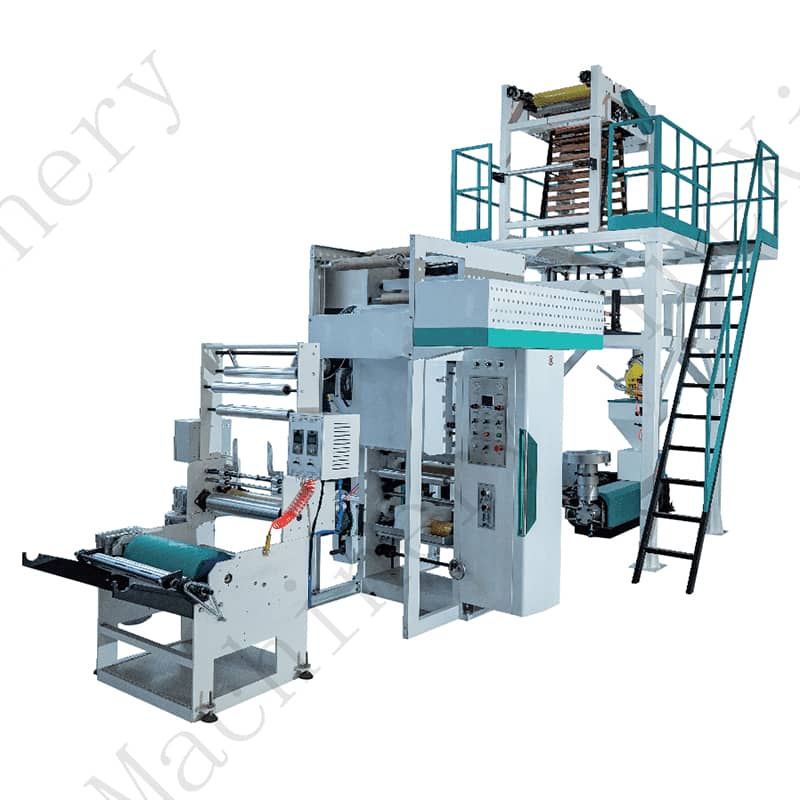
Who exactly comes to install it?How many days are included? One day is not enough for a full ABC film blowing machine line. Five to seven days is reasonable.
How many days are included? One day is not enough for a full ABC film blowing machine line. Five to seven days is reasonable.
What language does the technician speak? "Basic English" means something very different in China than it does in your country. Ask for a sample call.
Do you test with our resin before shipping? If the answer is "we test with standard PE," that's a red flag.
What happens after the technician leaves? How quickly can they respond to problems? Is there someone you can call in an emergency?
If the supplier can't answer these questions clearly — or if they try to charge you extra for on-site installation after you've already paid for "full support" — walk away.
We Don't Cut Corners on Installation
At Jiangyin Yuexing Machinery, we send a technician for on-site film blowing machine installation and commissioning on most international orders. We've installed machines in Thailand, Egypt, Vietnam, Brazil, and more than 25 other countries — and for first-time buyers, on-site support is always included so you're not left figuring it out alone.
Installation isn't a profit center for us. It's how we make sure the machine runs right, your operators know how to use it, and you don't call us three months later saying "this thing doesn't work."
If you're comparing quotes and one includes "installation support" but another doesn't — dig into what that actually means. The cheaper machine isn't cheaper if it sits idle for three months because nobody can install it properly.
Request our pre-installation checklist and we'll send you exactly what to prepare before the film blowing machine arrives — foundation requirements, electrical specs, and what your team should have ready. No surprises.
Written by Ryan Zhang, CEO, Jiangyin Yuexing Machinery Co., Ltd.
30 years in blown film extrusion technology. 2000+ machines delivered to 30+ countries.
Contact:ryanzhang911222@gmail.com | WhatsApp: +86 13771616165
Expert Insights & FAQ
Previous:Custom Film Blowing Machine: Configuration vs. Custom Engineering (2026 Guide)
Next:Nothing...
.webp)