Why Material Versatility Is the Game Changer in 2026
2026-04-08Key 2026 Outlook: The shift from "mono-material" to "versatility" isn't just a trend—it's a risk mitigation strategy. Machines with narrow processing windows are becoming stranded assets as regulatory pressure on PCR and compostable content intensifies.
Three years ago, a buyer shopping for a blown film line was mostly choosing between LDPE and HDPE processing windows. That conversation has fundamentally changed. Today, specifying a machine without confirming its compatibility with PLA, PBAT, and post-consumer recycled (PCR) pellets is like buying a car without checking if it takes the fuel available at your nearest pump.
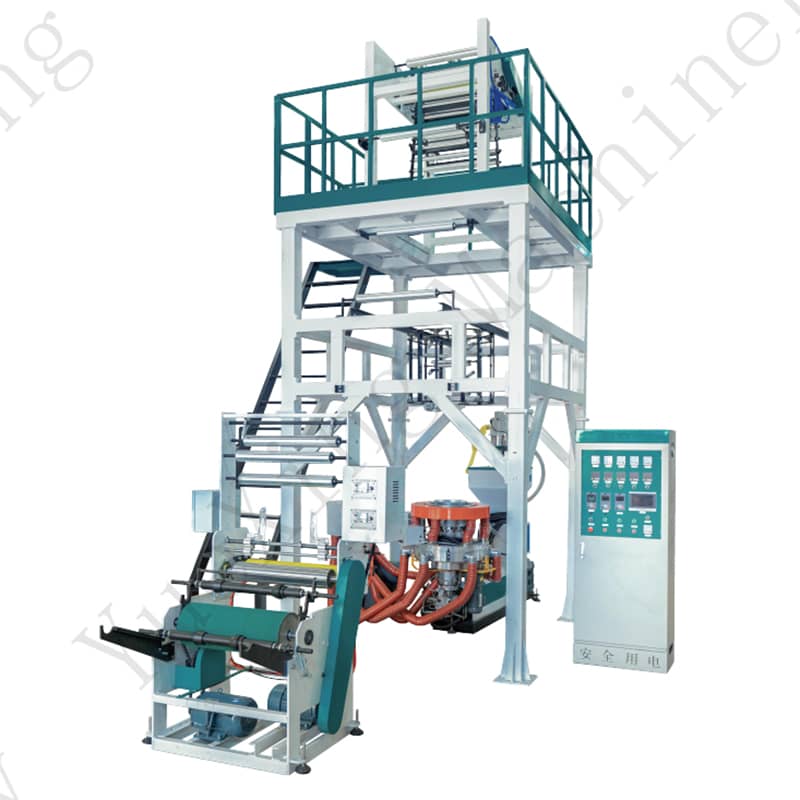
The push isn't just regulatory — it's commercial. Major European retailers have moved their private-label packaging requirements toward certified compostable films, and North American brand owners are following. The result: machines that can only extrude conventional polyolefins are already losing deals to equipment with a broader processing window.Selecting a versatile film blowing machine is no longer about max output, but about melt quality across divergent resin types.
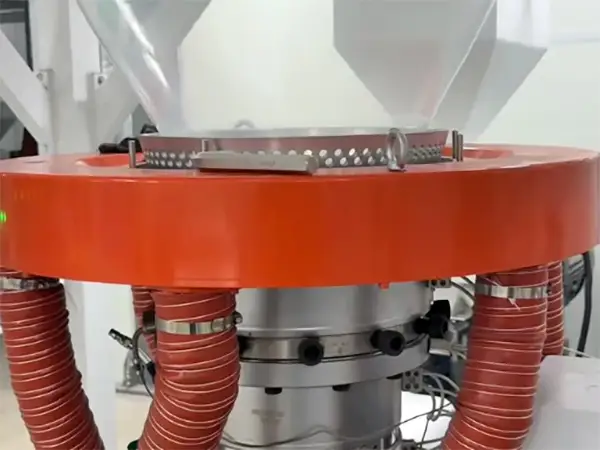
PLA & PBAT: What the Screw and Die Head Actually Need
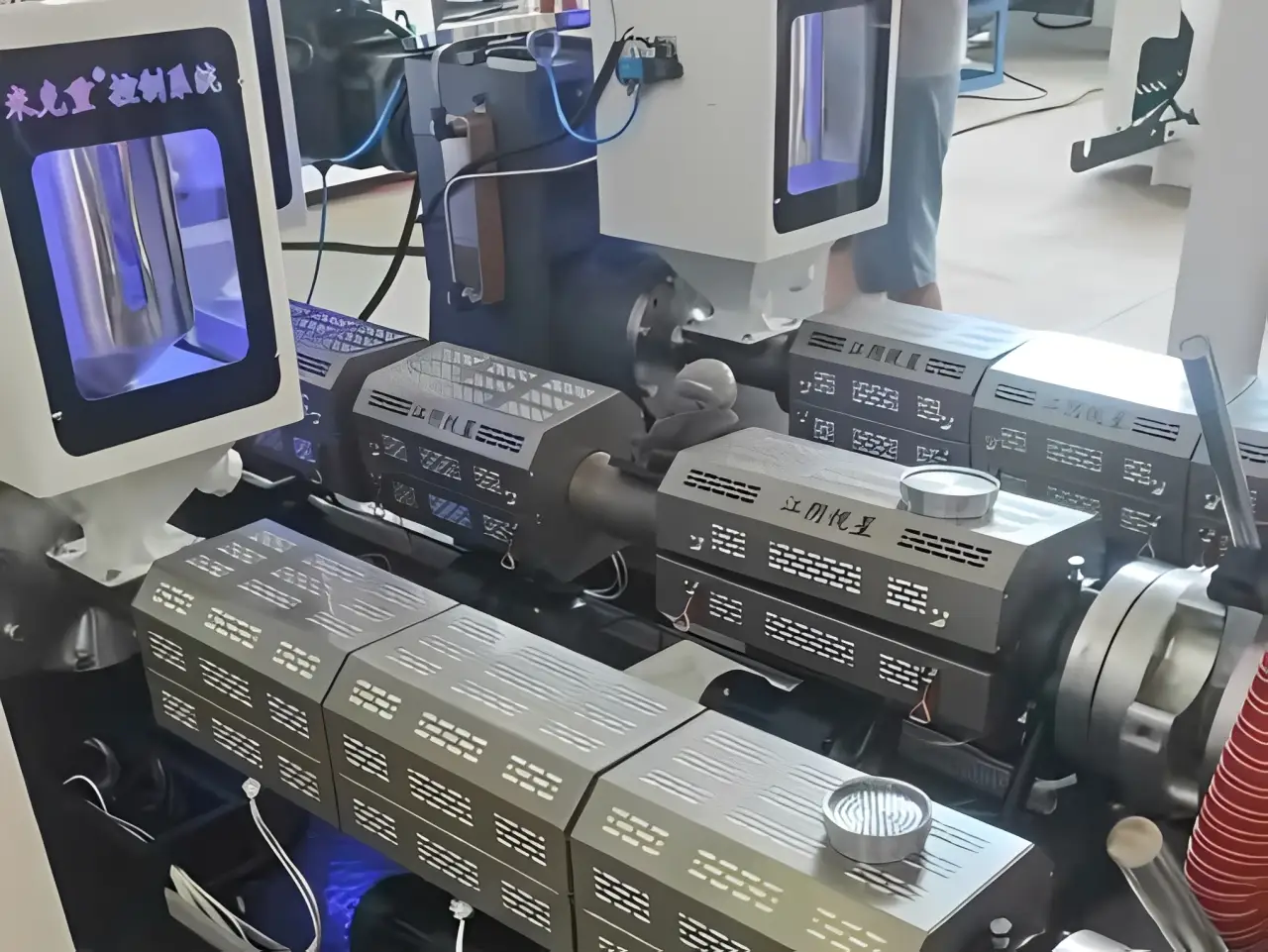
In the workshop, the first thing we check when a customer asks about running PLA is the barrel temperature profile. PLA degrades rapidly above 210°C, and it absorbs moisture during storage — a pre-drying step to <0.02% moisture content is non-negotiable, otherwise you'll see viscosity drops mid-run that blow out your thickness tolerance.
PBAT (Polybutylene Adipate Terephthalate), commonly blended at 50–60% with PLA for compostable shopping bags, introduces a different challenge: its low melt strength demands precise air ring calibration and a die gap typically widened 10–15% versus standard LDPE settings to maintain bubble stability at line speeds above 30 m/min.
| Material | Processing Temp (°C) | Key Requirement | Market Driver |
|---|---|---|---|
| LDPE | 160–220 | Wide process window, forgiving | General Packaging |
| HDPE | 180–240 | Higher pressures, narrow BUR range | Carrier Bags / Heavy-Duty |
| LLDPE | 190–230 | Excellent stretch film performance | Stretch / Cling Film |
| PLA | 155–195 | Pre-dry to <0.02% moisture | Compostable Packaging |
| PBAT Blend | 140–175 | Wider die gap, low melt strength | Biodegradable Bags |
| PCR / Recycled | 160–225 | Melt filtration critical | Recycled Content Mandates |
Recycled Plastic Film Blowing: The Hidden Variable
Running post-consumer recycled (PCR) resin through an LDPE extrusion line sounds straightforward until the first unmelted contaminant hits your die. The contamination tolerance of recycled feedstocks varies batch by batch — this is why machines designed for PCR processing integrate a high-performance melt filter system (typically a continuous-screen changer, not a manual breaker plate) that can be replaced without stopping the line.
Expect to derate output by 5–12% on PCR runs compared to virgin resin, and plan for more frequent purging cycles. The tradeoff is often worth it: converters sourcing 30% PCR content in their film structures can command a meaningful price premium with sustainability-focused customers.
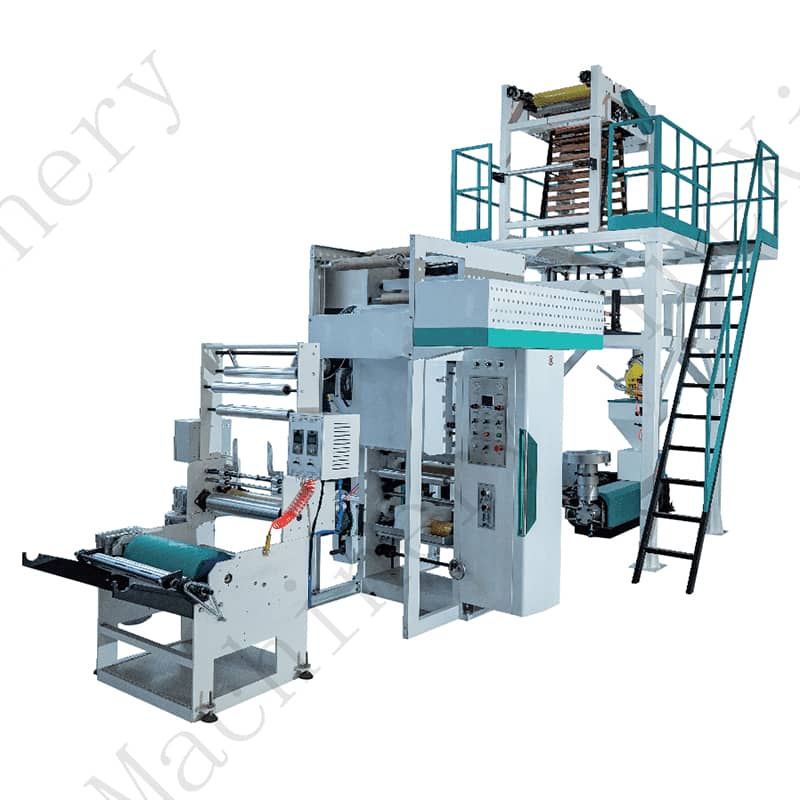
Want to see these sustainable resins running in real-time? We will be demonstrating multi-layer co-extrusion for PCR and PLA blends at CHINAPLAS 2026. [View Exhibition Details →]
Expert Insights & FAQ
Previous:Film Blowing Machine Buyer's Guide:5 Expert Considerations for Industrial Buyers
Next:ABA Multi-Layer Co-Extrusion: When Single-Layer Is No Longer Enough
.webp)