ABA Multi-Layer Co-Extrusion: When Single-Layer Is No Longer Enough
2026-04-11Single-layer LDPE film still has its place — commodity applications, simple inner liners, basic agricultural film. But the moment a customer asks for improved stiffness with reduced gauge, or barrier properties without lamination costs, you're in multi-layer territory.
The most commercially relevant architectures in 2026 for mid-tier converters are ABA (three-layer) and ABCBA (five-layer). The ABA structure — where A is typically HDPE or a HDPE/LDPE blend for stiffness and B is LLDPE for toughness — allows gauge reduction of 20–30% versus single-layer while meeting the same mechanical performance specs.
| Structure | Layers | Primary Benefit | Typical Application |
|---|---|---|---|
| Mono | 1 | Simple, low-cost | Commodity packaging, inner liners |
| ABA | 3 | Gauge reduction, cost optimization | Carrier bags, agricultural film, shrink film |
| ABC / ABCBA | 3–5 | Barrier, sealability, optical clarity | Food packaging, medical, heavy-duty sacks |
| 7–11 Layer | 7–11 | EVOH barrier, ultra-thin layers | High-barrier food, pharmaceutical |
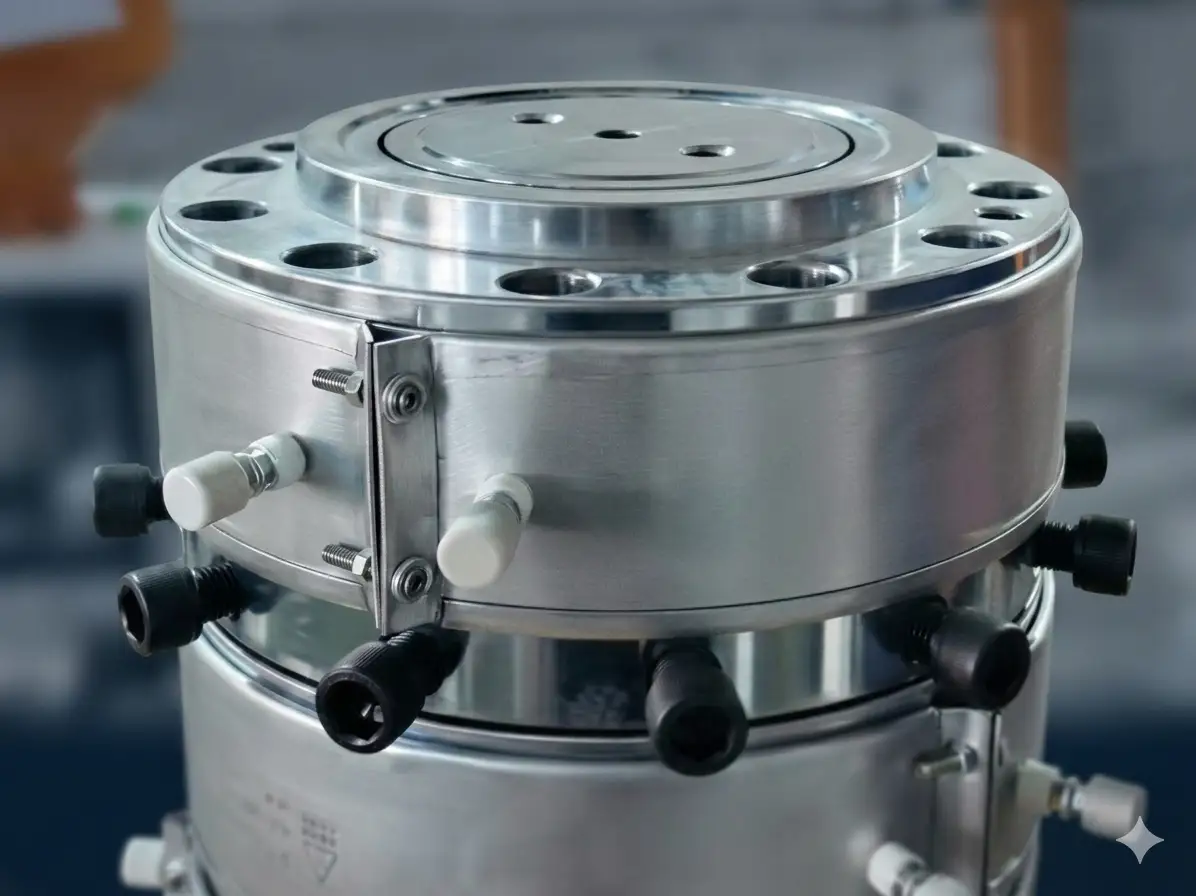
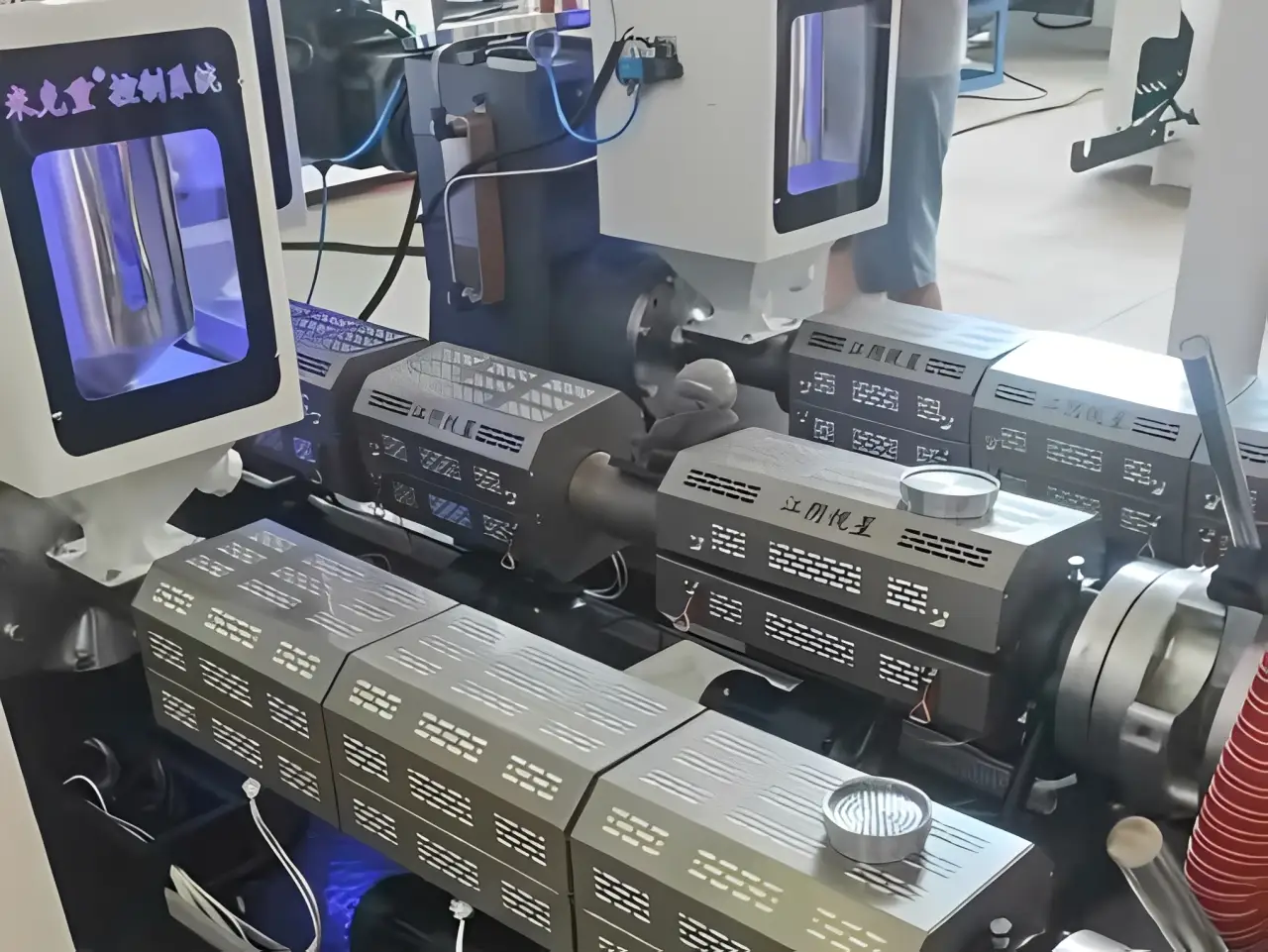
Detailed view of the ABA die head with spiral distributor geometry for uniform layering
The die head is where the co-extrusion capability lives. For a reliable ABA line running production widths of 600–1,200 mm at outputs of 150–300 kg/hr,our advanced film blowing machine series utilizes a high-speed rotary die head with spiral distributor geometry ensures uniform melt distribution across all three layers without weld lines — a defect that shows up as vertical streaks in the finished film and causes seal failures in downstream bag-making operations.This level of precision is why our high-performance lines are the preferred choice for ABA architectures.
Processing ABA structures often involves recycled content. See our guide on [Material Versatility for PCR and Biopolymers].
Expert Insights & FAQ
Previous:Why Material Versatility Is the Game Changer in 2026
Next:The Overlooked Energy Drain: Optimizing Your Blown Film Line's Cooling System
.webp)