Single Layer Film Blowing Machine for Greenhouse Film: What Thickness Actually Works
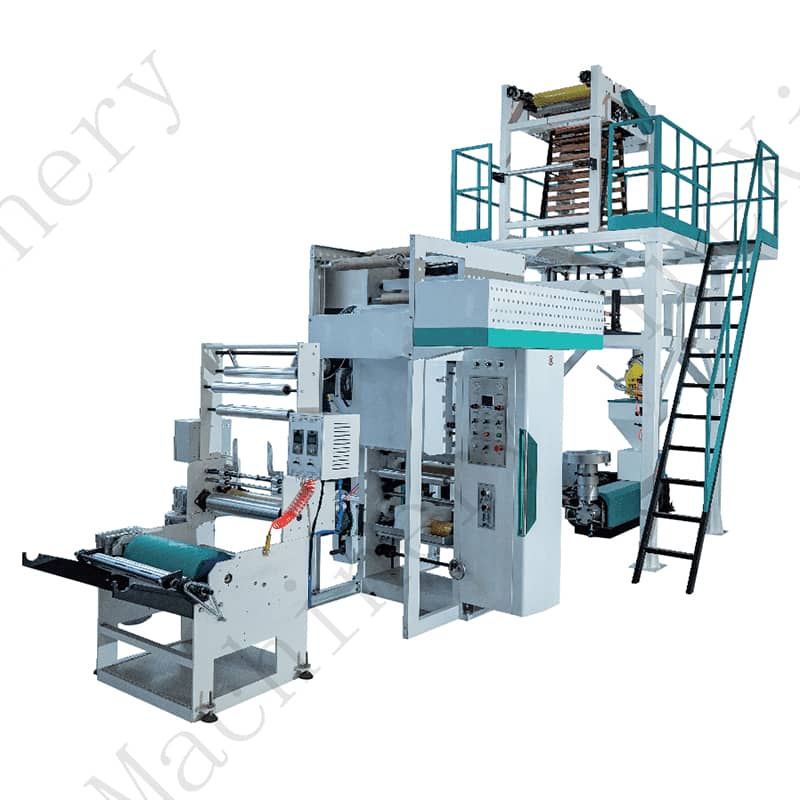
2026-08-18About two years ago, a customer in Saudi Arabia emailed us asking for a single layer film blowing machine. Not for shopping bags. For greenhouse film.
I asked him the usual questions — film width, thickness, material. He said 6 meters wide, 150 microns, LDPE. I asked what he was growing. He said tomatoes in a desert climate, 50°C in summer.
That changed how I thought about greenhouse film. It's not just "thick plastic." The wrong thickness and the film tears in six months. The right thickness and it lasts three years.
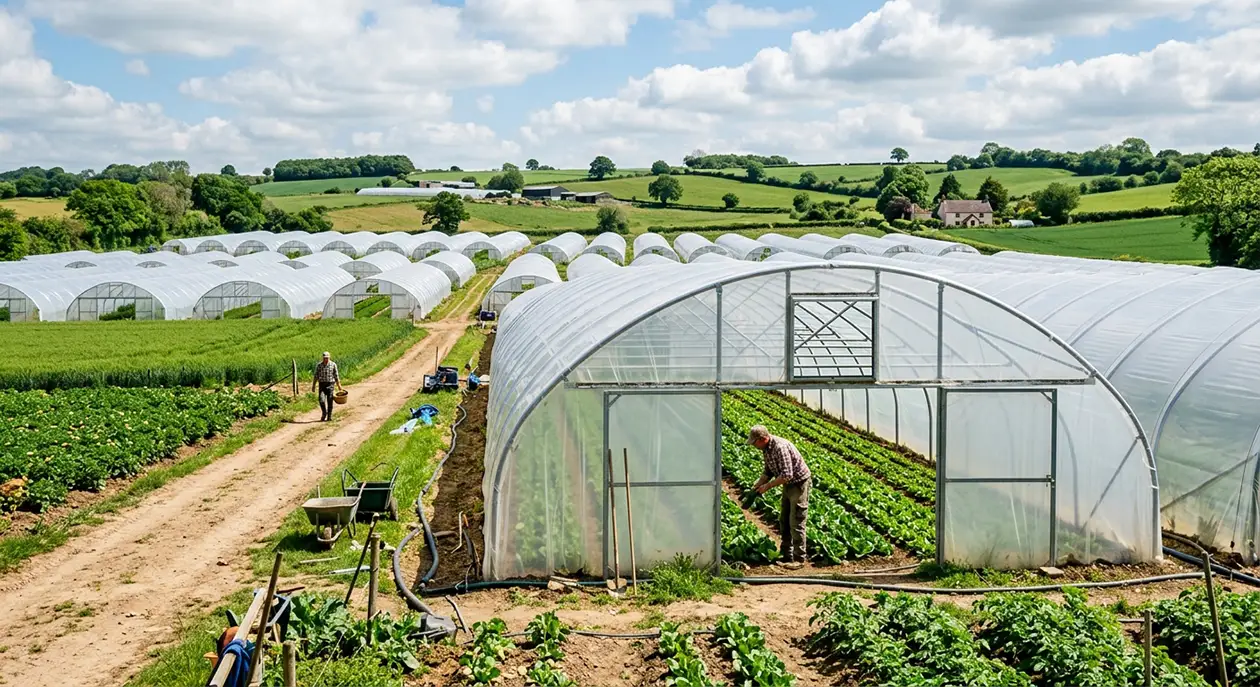
Photo by:Gemini keyword"Greenhouse with plastic film cover, agricultural scene"
What thickness do you actually need?
It depends on three things: your crop, your climate, and how long you want the film to last.
1. 80–100 microns: Short-season crops, mild climates
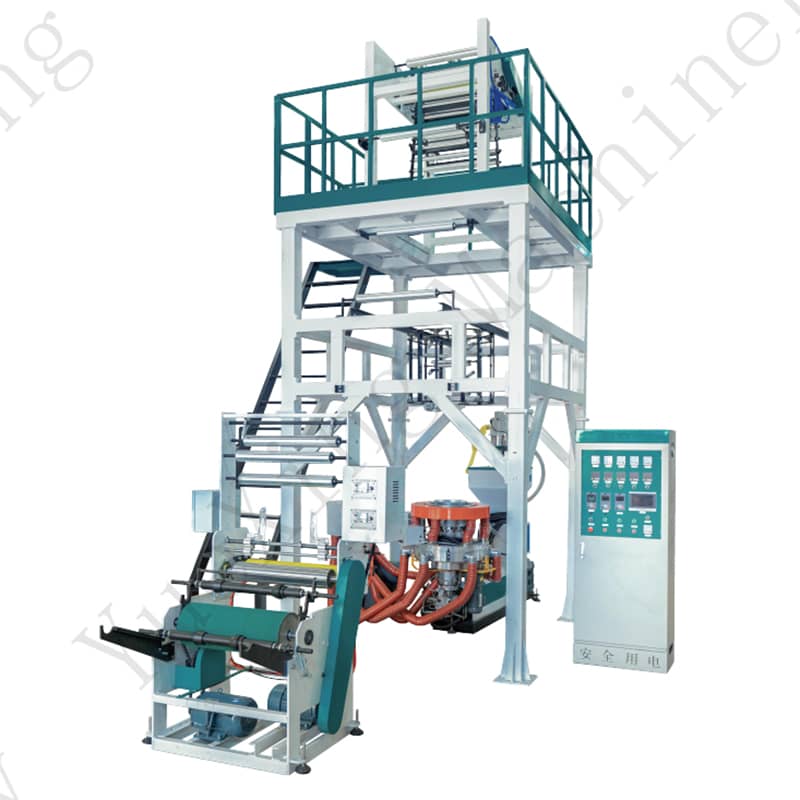
If you're growing lettuce or herbs in a temperate climate and replacing the film every season, 80 microns is enough. A standard single layer film blowing machine with a 45mm or 50mm screw handles this easily. The film is light, easy to install, and cheap to replace.
2. 120–150 microns: Year-round structures, hot climates
This is the most common spec we see for greenhouse film. At 120 microns, the film resists tearing from wind and holds up against UV degradation for 2–3 years. At 150 microns, you get 3–4 years in most conditions.
The Saudi customer went with 150 microns. Three years later he emailed a photo — same rolls, still in use.
(Related: How to Choose a Film Blowing Machine: 5 Questions We Ask Every Buyer)
3. 180–200 microns: Extreme weather, long-term structures
If you're in a region with hail, heavy snow loads, or sandstorms, 200 microns is the safe call. It's harder to install because it's heavier and stiffer. But it won't tear when a branch falls on it or when the wind hits 80 km/h.
This thickness pushes most single layer machines near their limit. You need a larger die gap, stronger winding tension, and sometimes a wider layflat width to keep the bubble stable.
What material?
Greenhouse film is almost always LDPE. Some growers add 5–10% LLDPE for extra tear resistance. A few add masterbatch for UV stabilization or anti-drip. None of this changes the machine — you just adjust the material ratio and run.
(Related: Film Blowing Machine Maintenance: 4 Checks That Save You Downtime)
What about multi-layer film?
You can make greenhouse film on an ABA three-layer machine. Put the UV stabilizer and anti-drip additives in the outer layer, keep the center layer as standard LDPE. It costs more per roll but lasts 5+ years. For most growers, that's overkill. Single layer is the standard for a reason.
A mistake I see constantly:
Buyers ask for "greenhouse film" but don't specify the thickness or the climate. The machine builder quotes a standard 80-micron setup. Six months later the grower complains the film tore. It wasn't the machine's fault — it was a mismatch between the spec and the environment.
That's why we always ask: What are you growing, and what's the hottest month in your region?
(Related: 5 Features of High-Output Thin Film Blowing Machines)
Jiangyin Yuexing Machinery Co., Ltd.
Established 1996 | 2000+ machines installed | 30+ countries | CE certified
Email: ryanzhang911222@gmail.com
WhatsApp: +86 13771616165
Expert Insights & FAQ
Previous:Film Blowing Extruder Machine: Is It the Same Thing?
Next:Film Blowing Machine from China: What Separates Good Suppliers
.webp)