5 Features of High-Output Thin Film Blowing Machines (Factory Tested)
2026-08-12Last updated: August 2026. Added IBC cooling data from 3 running production lines.
Not every film blowing machine needs to be "high-output." I've seen customers spend 40% more on a machine they don't need because their supplier convinced them bigger is always better. It's not.
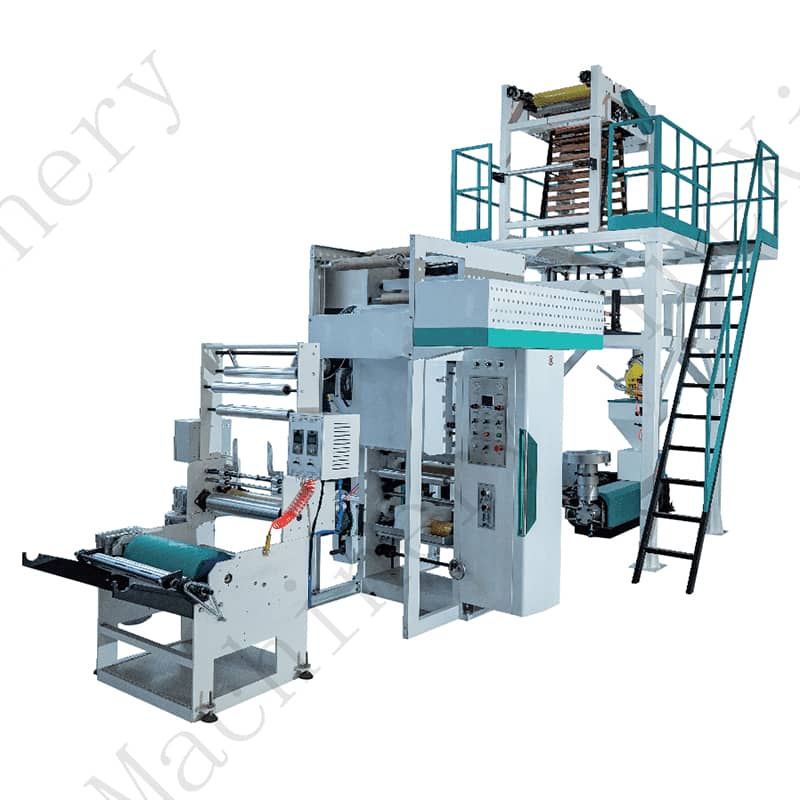
A high-output thin film blowing machine has five features that separate it from standard lines:
1. Larger screw diameter and L/D ratio
2. Rotary die head for even thickness
3. IBC cooling system
4. High-speed automatic winding
5. Online thickness measurement
Here's what each one actually does in production...
Here's what "high-output thin film" actually means, and the 5 features that make it possible.
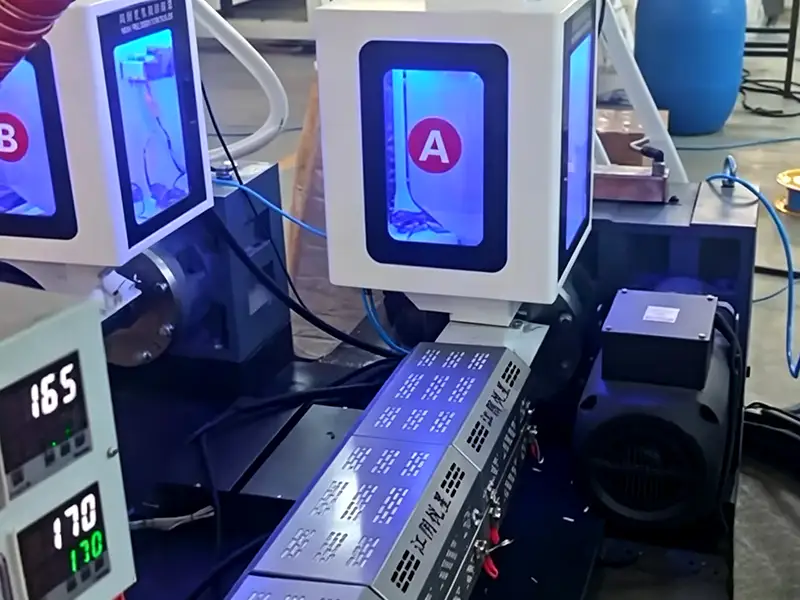
1. Larger Screw Diameter
Small processing manufacturers can choose models with a screw diameter of 30-35mm and an extrusion capacity of 30-40kg/h, which have low investment costs and are suitable for small-batch.
Multi-batch production; medium-sized manufacturers can choose models with a screw diameter of 40-45mm and an extrusion capacity of 60-80kg/h to balance production capacity and investment costs.
Large-scale mass production enterprises can choose models with a screw diameter of 50mm and an extrusion capacity of 100kg/h to meet the needs of large-volume supply.
Equipment Type | Screw Diameter | Screw L/D Ratio | Applicable Raw Materials |
| Laboratory Blown Film Machine | 20mm | 28:1 | PE/EVA/Polylactic Acid and other blown film grade plastic granules and resins |
| Laboratory Film Blowing Machine | 25/28mm | 1:30/1:34 | Low-density polyethylene (HDPE), high-density polyethylene (LDPE), linear polyethylene (LLDPE) |
| Courier Bag Blown Film Machine | 50mm | 1:28 | No specific mention |
| General Film Blowing Machine | Φ15 - Φ360mm | 15 - 45 | General plastics, PA, PP, PC, PE, ABS, AS, PS, PVC, PMMA, LCP, PBT, PET, PPC, PPS, PAR, PO, magnetic powder, ceramic powder, aluminum-magnesium powder, iron powder, bakelite powder and other engineering plastics |
General Daily Packaging Shopping Bag Production Blown Film Machine | Φ65 - Φ120mm | No specific mention | No specific mention |
2. Rotary Die Head
Thin film dies with a fixed gap wear unevenly. One side always gets more material than the other, and after 6 months your film thickness starts drifting.
High-output machines use a rotary die that spins slowly during production. The wear distributes evenly, and the film stays consistent. It's not sexy technology, but it saves you from throwing away rolls that are 10% out of spec.
I've had Nigerian customers tell me this feature alone paid for itself in the first year because they stopped rejecting rolls.
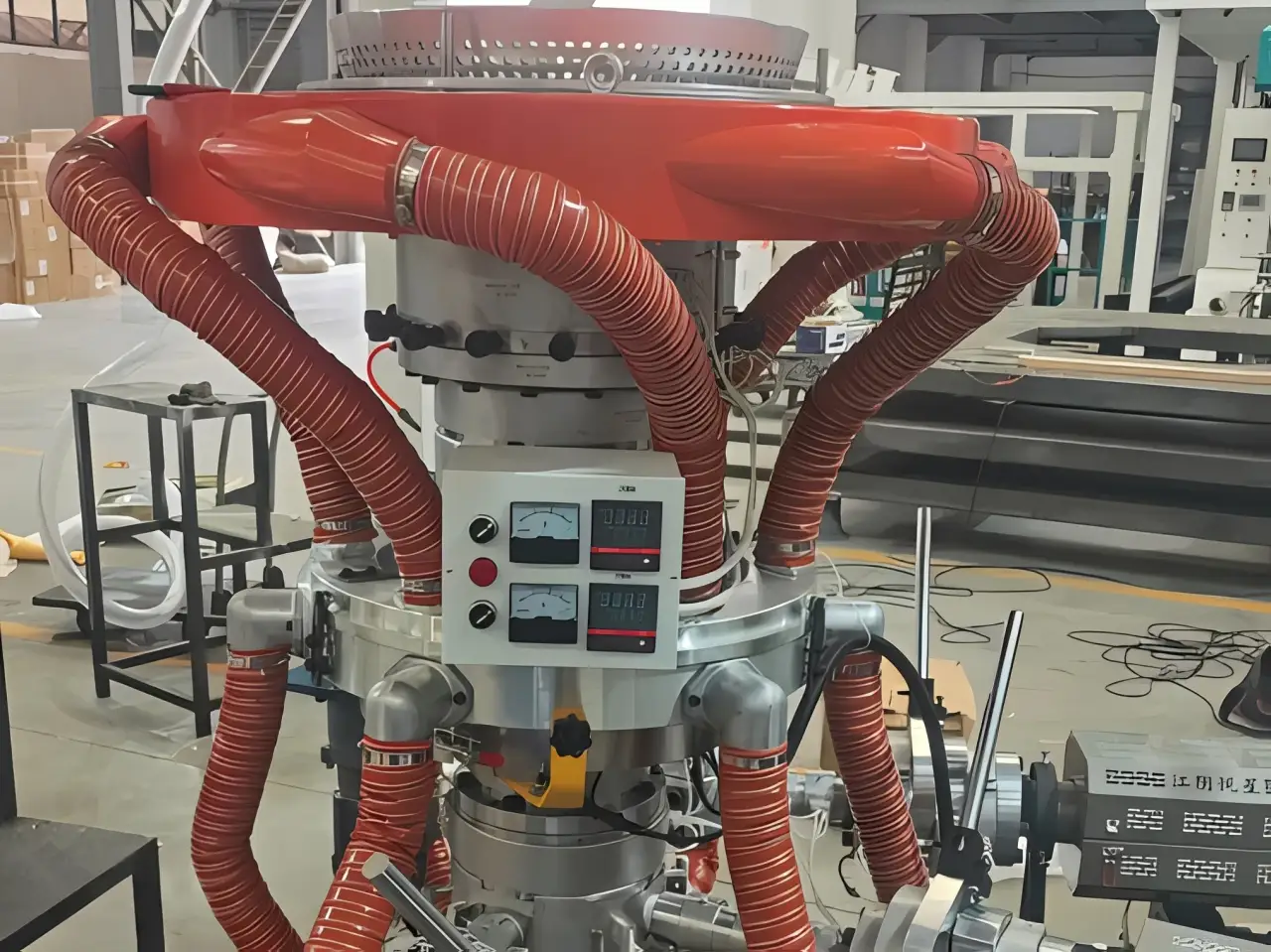
3. Enhanced Cooling Ring
Here's the bottleneck most people miss: you can't run a big screw fast if the bubble cools slowly. The film comes out soft, stretches unpredictably, and you get wrinkles.
High-output machines use dual-lip air rings or IBC (internal bubble cooling) systems. They cool the bubble faster so you can pull it at higher speeds without losing stability.
We recommend IBC on any high-output line. Without it, you're leaving 15-20% of your potential speed on the table.
4. High-Speed Winding
This sounds obvious, but I've seen factories where the extruder can run 200kg/hour but the winder can only handle 120kg/hour. The machine sits idle 40% of the time.
High-output machines have larger winding shafts and automatic roll-changing systems. The new roll starts while the old one is still finishing, so you don't stop the line.
5. Automatic Thickness Control
At high speeds, you can't eyeball the film thickness. A 2-micron drift across the roll is normal wear, but your client will notice it in the final bag.
High-output machines use a scanning gauge that measures thickness across the film width every few seconds and adjusts the die gap automatically. It's standard on our machines, though you can request a manual system if you prefer to handle adjustments yourself.
Do You Actually Need This?
You don't need high-output if:
You change film specs more than twice a day (setup time kills your speed advantage)
You run recycled blends that need slower processing
Your power supply is unreliable (these machines draw serious electricity)
How to choose a film blowing machine.
You do need it if:
You produce the same film type 20+ hours a day
You're competing on volume (shopping bags, garbage bags, agricultural film)
Your raw material costs are eating your margin and you need to spread fixed costs over more output
For a breakdown of what these features add to the price, see our Film Blowing Machine Price Guide. If you're comparing single-layer vs multi-layer high-output options, check our Comparison Guide.
Jiangyin Yuexing Machinery has been building film blowing machines since 1996. Contact Ryan if you're unsure whether high-output is right for your line.
Email: ryanzhang911222@gmail.com
WhatsApp: +86 13771616165
Expert Insights & FAQ
Previous:Common Film Blowing Machine Problems: 5 Issues I've Fixed in 30 Years
Next:ABA Film Blowing Machine: 5 Applications That Actually Pay Off
.webp)