Film Blowing Machine from China: What Separates Good Suppliers
2026-09-02About two years ago, a buyer in Nigeria emailed us with a simple request: a film blowing machine for shopping bags. He had a budget, a workshop, and a local market waiting. What he didn't have was a checklist.
He bought from a supplier that looked professional online. The machine arrived. The extruder worked. The die head leaked. The air ring produced a bubble that wobbled like a soap film in wind. He spent six months trying to get the supplier to send a technician. They stopped responding after the third email.
He eventually contacted us for a replacement machine. Not because we were cheaper — we weren't — but because he wanted someone who would still answer the phone after the deposit cleared.
Buying a film blowing machine from China is different from buying locally. The price gap is real. So are the risks. Here's what buyers who've been through the process check before they commit.
1. Factory or Trading Company?
This is the first thing experienced buyers ask, and the most common thing new buyers overlook.
A trading company doesn't build machines. They source from multiple factories, add a margin, and handle logistics. That can work for simple, standardized equipment. But when your air ring needs recalibration or your IBC system won't stabilize the bubble, the trading company can't fix it. They can only forward your complaint.
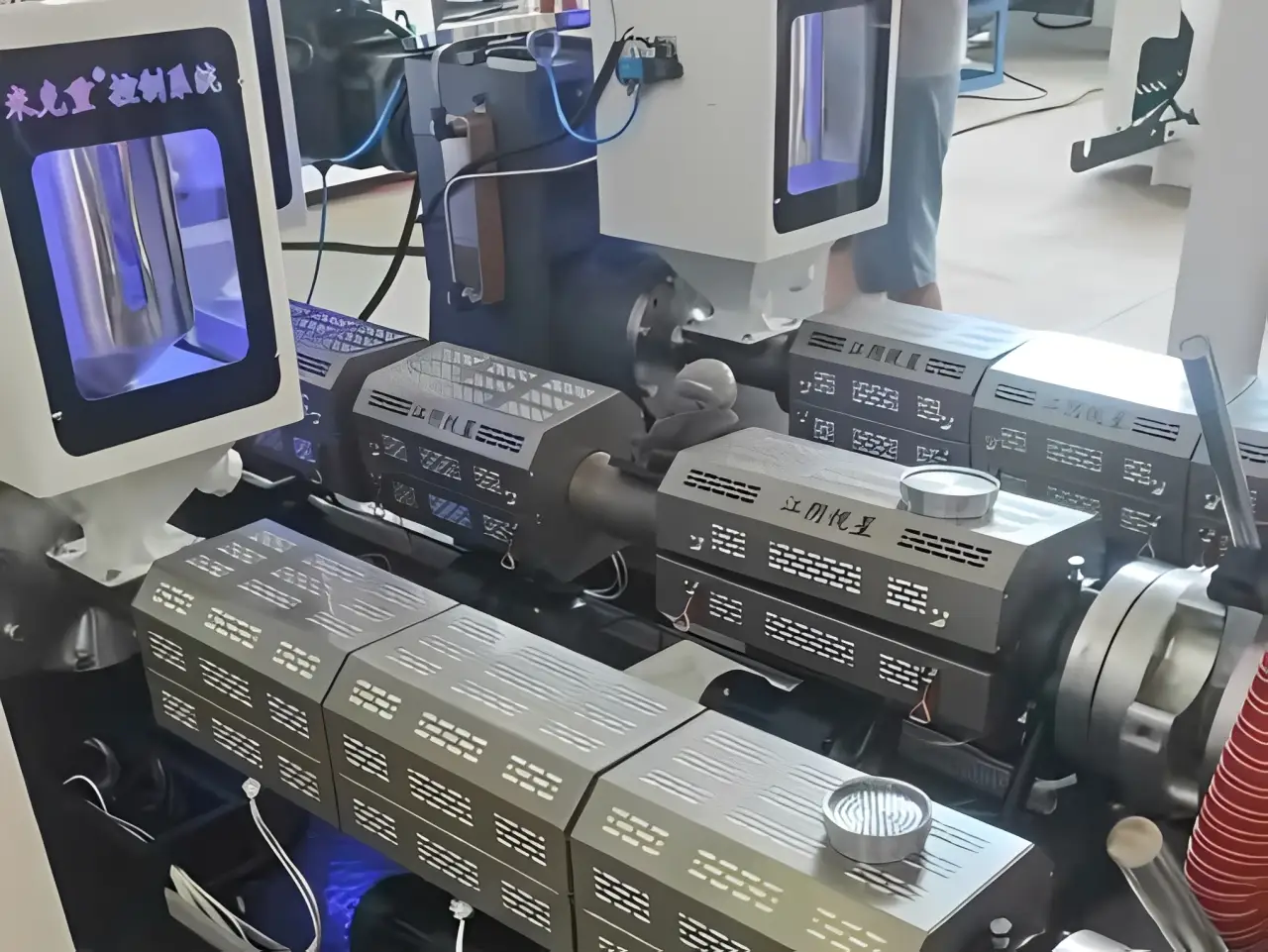
A factory manufacturer designs, builds, and tests the machine before it leaves the floor. They have the engineers who can read your bubble instability photos and tell you whether it's a die gap issue or a cooling problem.
How to tell the difference: Ask for a factory video call. Not a polished showroom tour — a live walk through the workshop during production hours. If they can't do it this week, that's your answer.
Last month a buyer from South America called us. He wanted to see the die head being assembled. Our engineer held the phone up to the machining center while the cutter was running. The buyer asked about the surface finish. The engineer explained the tolerance control process right there. That's the conversation you want to have before you pay a deposit — not after.
At Jiangyin Yuexing Machinery, we run video calls with buyers regularly. Not because we enjoy the extra work, but because it's the fastest way to eliminate the wrong expectations on both sides. We've been manufacturing film blowing machines since 1996. When you call, you talk to the people who designed the machine, not a sales agent who read the brochure.
(Related: How to Choose a Film Blowing Machine: 5 Questions We Ask Every Buyer)
2. What Does After-Sales Support Actually Mean?
Every supplier says they offer "lifetime technical support." The real question is what happens when you need it.
Ask these specifics before you sign:
Can an engineer visit your factory for installation and commissioning? Is the cost included or extra?
If the machine has a problem in month three, who do you call? How fast do they respond?
What spare parts should you keep in stock locally, and what does the supplier keep in inventory?
What's the warranty period, and what exactly does it cover? Motors? Electrical parts? The die head?
A buyer in Saudi Arabia once told me his previous supplier offered a "one-year warranty." When the inverter failed in month eight, the supplier said inverters were "electrical consumables" and not covered. Read the warranty terms. Ask for the list of exclusions. If they won't give it in writing, that tells you something.
We've learned that the most expensive mistake isn't buying the wrong machine — it's buying the right machine from a supplier who disappears after delivery. Over 2,000 of our machines are running in 30+ countries today. Many of those buyers have been with us for a decade. That's not because we never had problems. It's because we stayed on the line until the problem was fixed.
3. Can They Build What You Actually Need?
A standard film blowing machine spec sheet looks the same from every supplier: screw diameter, die size, output, film width. What the spec sheet doesn't tell you is whether the supplier can modify the machine for your specific material, climate, or end product.
We had a customer in Thailand who runs mostly recycled LDPE with a high percentage of regrind. Standard machines handle this poorly — the melt filtration clogs, the film gets hazy, and the output drops. We modified the screw geometry and added a dual-screen changer to handle the recycled content. He didn't ask for this in his first email. We asked him what he was actually feeding into the machine.
Before you buy, tell the supplier:
What material you're running (LDPE, HDPE, LLDPE, recycled content, or blends)
Your target film width and thickness range
Your local voltage and frequency
Your workshop dimensions and ceiling height
If the supplier just sends a standard quote without asking these questions, they're selling you a catalog item, not a production solution.
(Related: Single Layer Film Blowing Machine for Greenhouse Film: What Thickness Actually Works)
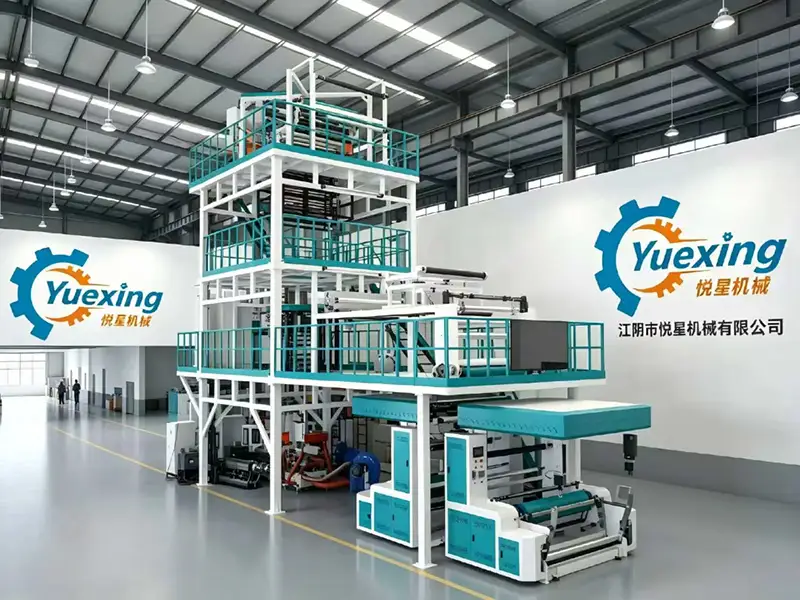
4. What's Missing From the Photos?
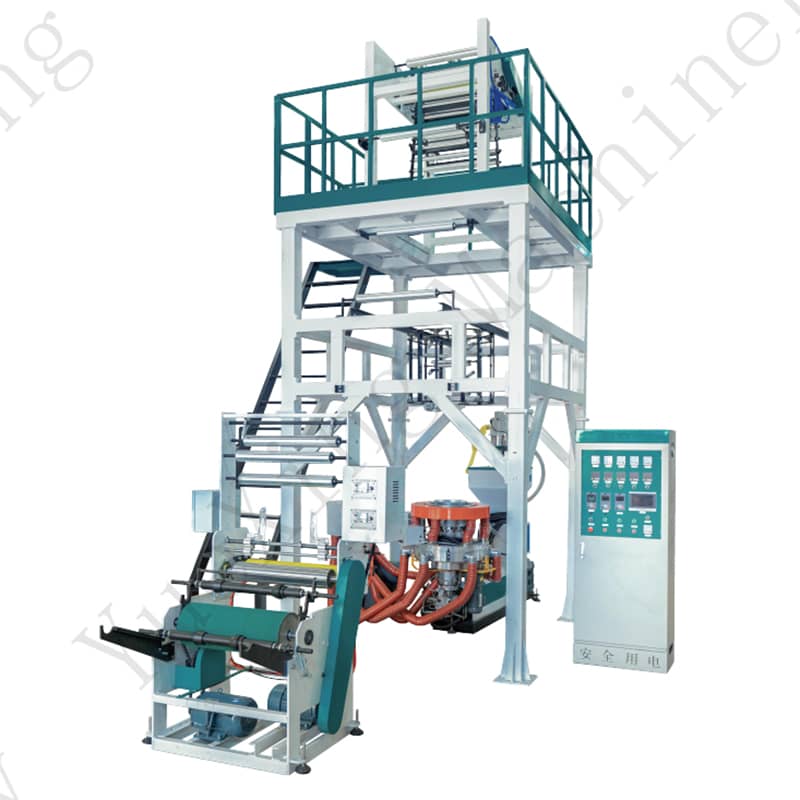
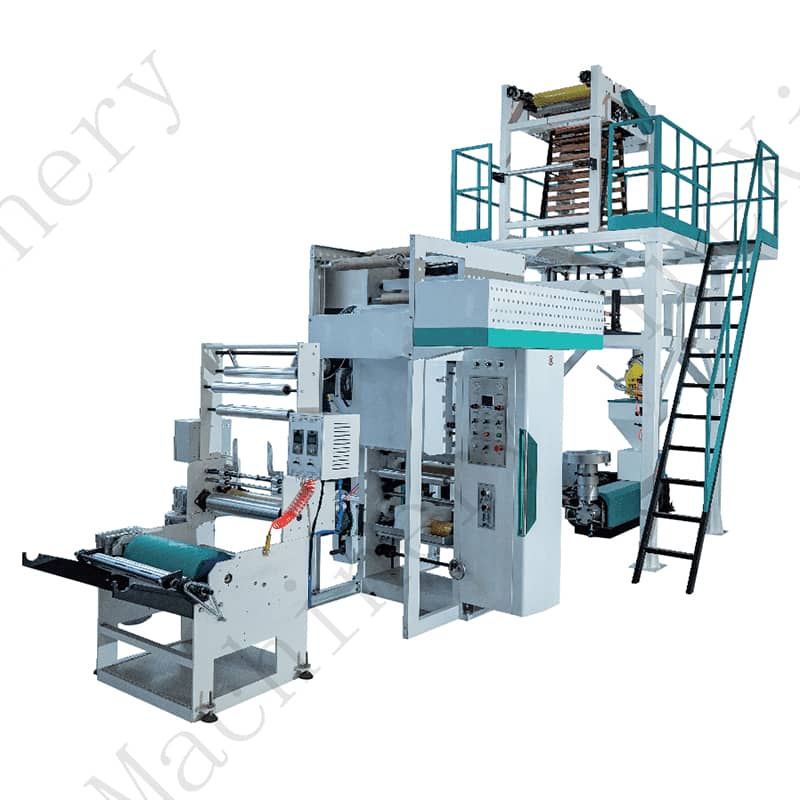
Supplier websites show the shiny parts: the extruder barrel, the die head, the control panel. What they don't always show is the infrastructure the machine needs.
Is the voltage compatible with your local grid?
Does the machine include an air compressor, or do you need to source that separately?
What's the power consumption? Do you have the electrical capacity?
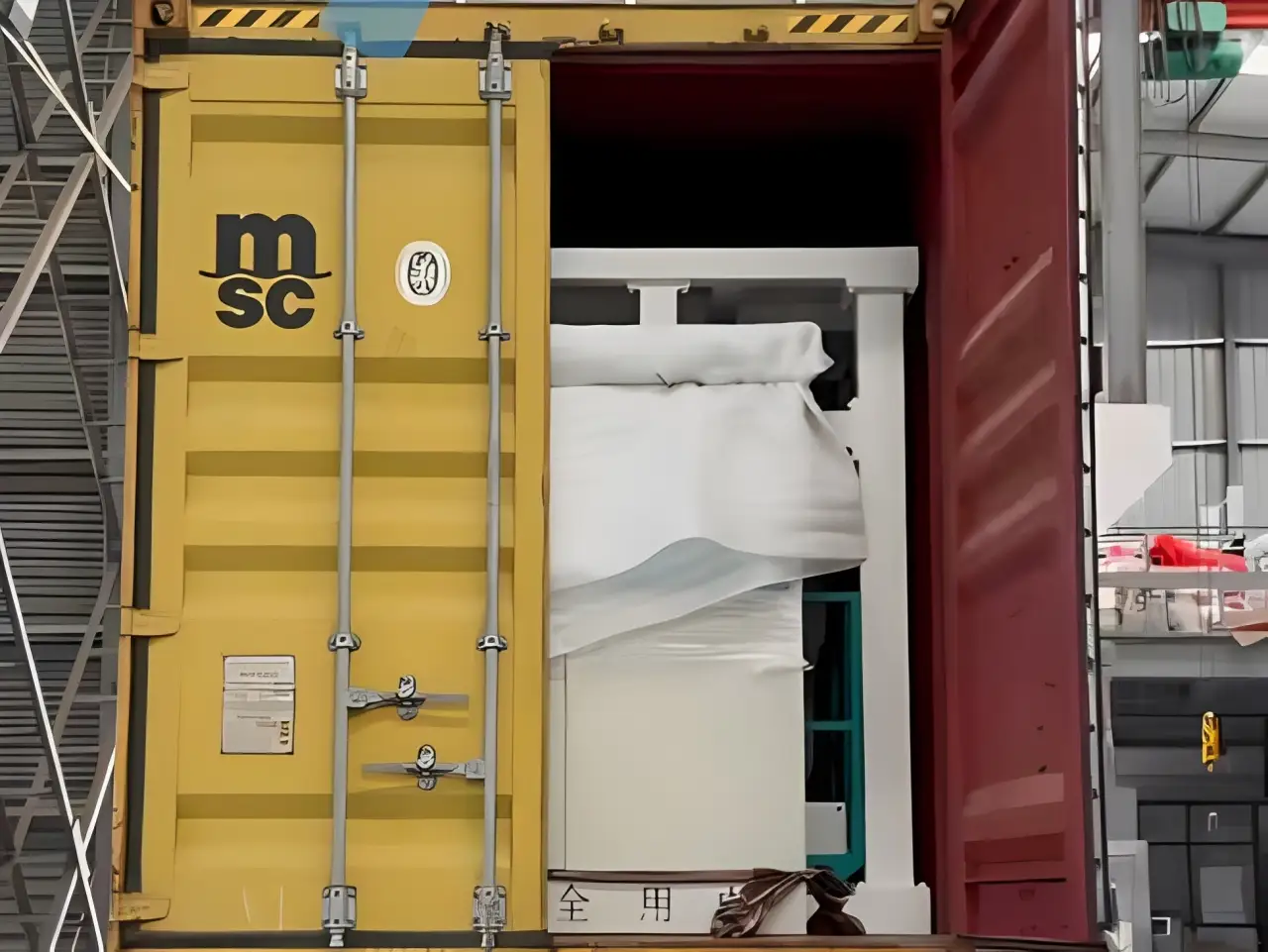
How is the machine packed for shipping? Can it fit through your workshop door?
One buyer in Colombia received a machine that was packed as a single unit — too wide to fit through his workshop entrance. He had to knock down a wall. The supplier never mentioned the packaging dimensions in the quote.
Ask for the full technical documentation before you confirm the order. Not just the spec sheet — the installation manual, the electrical diagram, the packing list, and the shipping dimensions. A real manufacturer has all of this ready. A trading company will need to "get back to you."
What Happens When You Call the Factory Directly
The Nigerian buyer I mentioned at the start — the one whose die head leaked and whose supplier disappeared — eventually became our customer. But not before he learned something most buyers don't figure out until it's too late.
When he first contacted us, he asked if we could fix his broken machine. We asked for photos. Our engineer looked at them and said, "This isn't just a die head issue. The heating zone profile was set for virgin material, but you're running recycled content. The melt temperature is too low."
His previous supplier had never asked what material he was actually feeding into the machine. They just shipped a standard configuration and called it done.
We ended up building him a new line with a redesigned screw geometry and a dual-screen changer to handle his recycled blend. An engineer flew to Lagos for commissioning. Two years later, he ordered a second machine. Not because the first one broke — because his business grew.
The point isn't that we're better than every other supplier. The point is that a real manufacturer asks what you're running before they quote you a price. A trading company asks for your budget.
5. How Fast Do They Respond Before You Pay?
This is the most reliable signal. If a supplier takes three days to answer a technical question before they have your money, how fast will they respond after they do?
Test them. Send a detailed technical question — something specific, like "Can this die head run 30% regrind content with a 150-micron output?" Time the response. Read whether they actually answered the question or just sent a generic paragraph about "high quality and best price."
The suppliers who answer quickly and precisely before the sale are the ones who will still be there when your bubble won't stabilize in month six.
At the end of the day, buying a film blowing machine from China can save you 30-50% compared to European or American manufacturers. But the savings disappear if the machine sits idle for six months because no one can fix it, or if it produces film your customers reject.
The buyers who get it right aren't the ones who found the cheapest price. They're the ones who asked the right questions before they committed.
If you're comparing quotes from film blowing machine suppliers and something feels off, send them to us. We'll tell you what's reasonable, what's missing, and what questions you should ask before you sign. No obligation. We'd rather help you buy the right machine than watch you buy the wrong one twice.
👉 Send us your quote for a free second opinion — an engineer will review it, not a sales agent.
📧 Email: ryanzhang911222@gmail.com
📞 WhatsApp: +86 13771616165
Jiangyin Yuexing Machinery Co., Ltd. — manufacturing film blowing machines since 1996. Over 2,000 installations across 30+ countries.
Expert Insights & FAQ
Previous:Single Layer Film Blowing Machine for Greenhouse Film: What Thickness Actually Works
.webp)