"barrier properties" of the film What you need to know about customized film blowing machines
2025-12-24We continue our How to Precisely Customize Your Blown Film Machine? A Comprehensive Buying Guide. In addition to the previous points, we also need to consider the "barrier properties" requirements of the produced film.
It can be said that the "barrier properties" of the film are the soul of functional packaging, determining the product's shelf life and applicable scope. We mainly consider the following three aspects:
Oxygen Barrier
Prevents oxygen from entering and causing food oxidation and spoilage. This is crucial for packaging high-requirement products such as meat, snack foods, coffee, nuts, and milk powder.
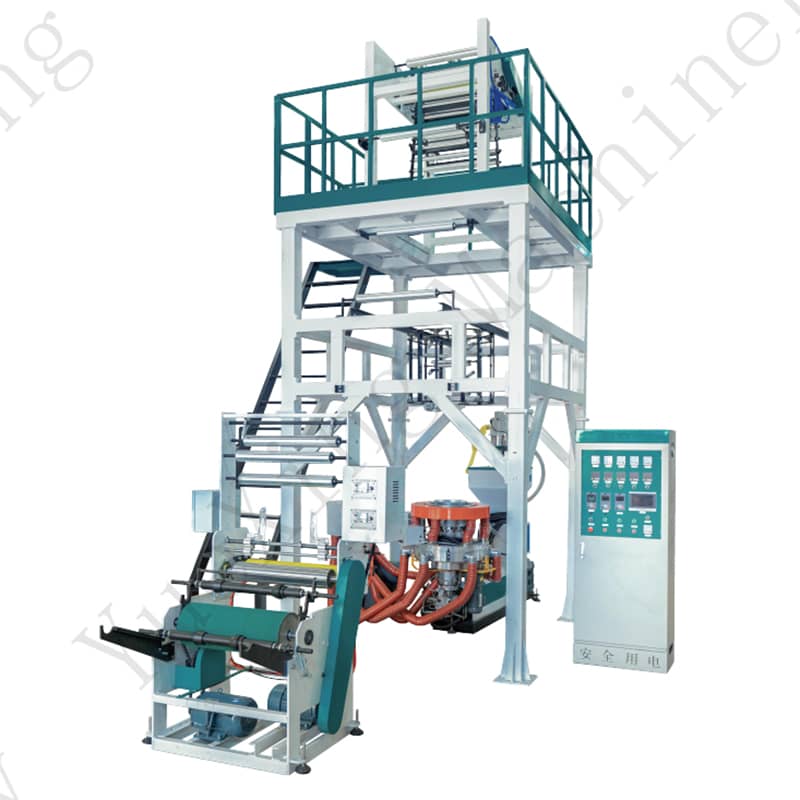
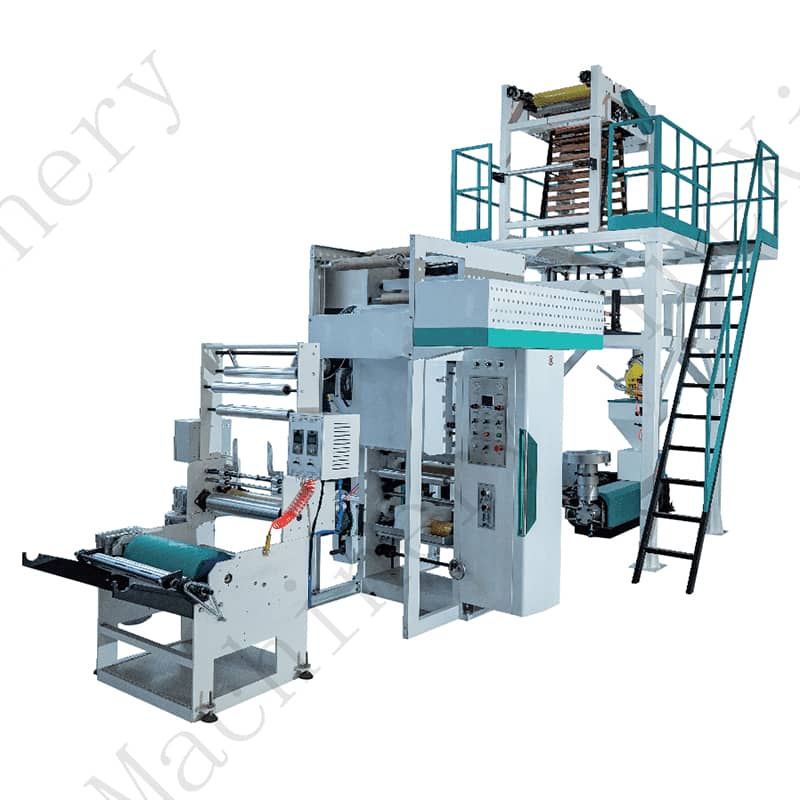
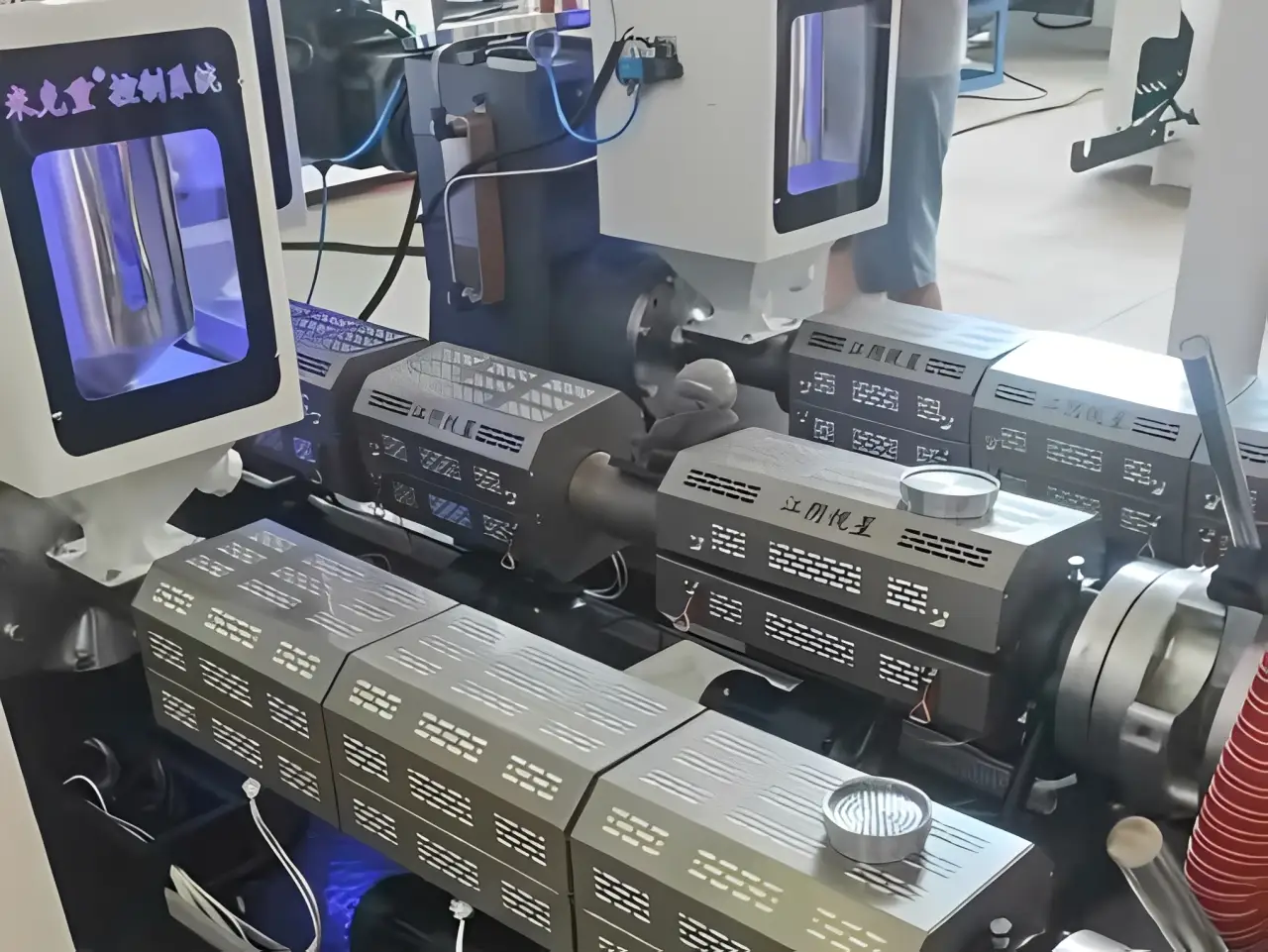
For this type of film production, a multi-layer co-extrusion film blowing machine must be used, with barrier materials such as EVOH and PA used in the middle layer. The equipment must be equipped with precision multiple extruders and multi-layer co-extrusion dies, and be able to precisely control the ultra-thin thickness of the barrier layer (usually only accounting for 5-10% of the total thickness).
Moisture Barrier
Primarily prevents water vapor from passing through. This is particularly important for packaging desiccants, puffed foods, biscuits, etc.
For these products, raw materials such as PP and PE should be used, as they inherently possess good moisture resistance. For high moisture barrier requirements, aluminum plating or PVDC coating can be used. Of course, this goes beyond the scope of a basic blown film machine. However, the mixing and blowing of raw materials must be considered during customization.
Preserving Flavor
Aroma Retention,Some packaging bags require preventing aroma loss or the entry of external odors, such as coffee, tea, and spice packaging. Therefore, the temperature, viscosity, and other data related to the mixing and blowing of the raw materials must be scientifically considered during customization. Similar to oxygen barrier properties, barrier layers such as EVOH and PA are required, and the film must be free of pinholes and have excellent sealing properties.
The clearer your product positioning, the more precise the solutions provided by equipment suppliers will be, and the more likely the equipment you invest in will become a "weapon" for seizing the market, rather than an expensive and cumbersome decoration.
Expert Insights & FAQ
Previous:Film transparency: you need to know about film blowing machine customization