Proven Tips to Solve Film Thickness Variation in Your film Blowing Machine
2026-01-07In the world of plastic packaging,In the world of plastic packaging,During the film production process of the film blowing machine, nothing is more frustrating for a factory manager than uneven film thickness. It’s not just an aesthetic issue; it leads to material waste, unstable winding, and, worst of all, customer complaints.
At Yuexing (YX), we’ve spent years helping clients optimize their production lines. We know that even the most advanced machine requires precise calibration. Whether you are running a single-layer PE line or a complex ABA 3-layer co-extrusion system, the principles of consistency remain the same. In this guide, we’ll dive into the 5 most common culprits of gauge variation and provide actionable steps to fix them.
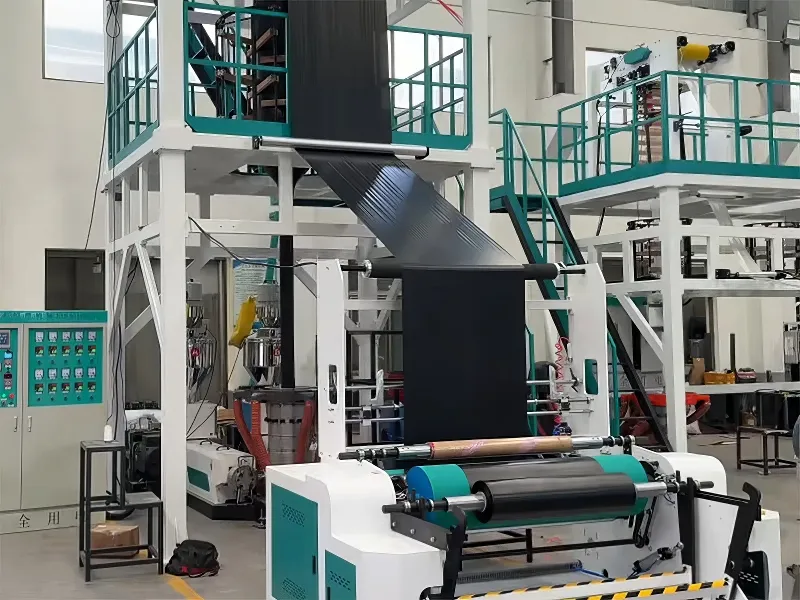
Tip 1: Balance Your Air Ring
Tip 2: Check Die Head Cleanliness
Tip 3: Stabilize Tower Temperature
Tip 4: Inspect External Drafts
Tip 5: Raw Material Homogeneity
Expert Insights & FAQ
Previous:1100 AB film blowing machine in customer's workshop
.webp)