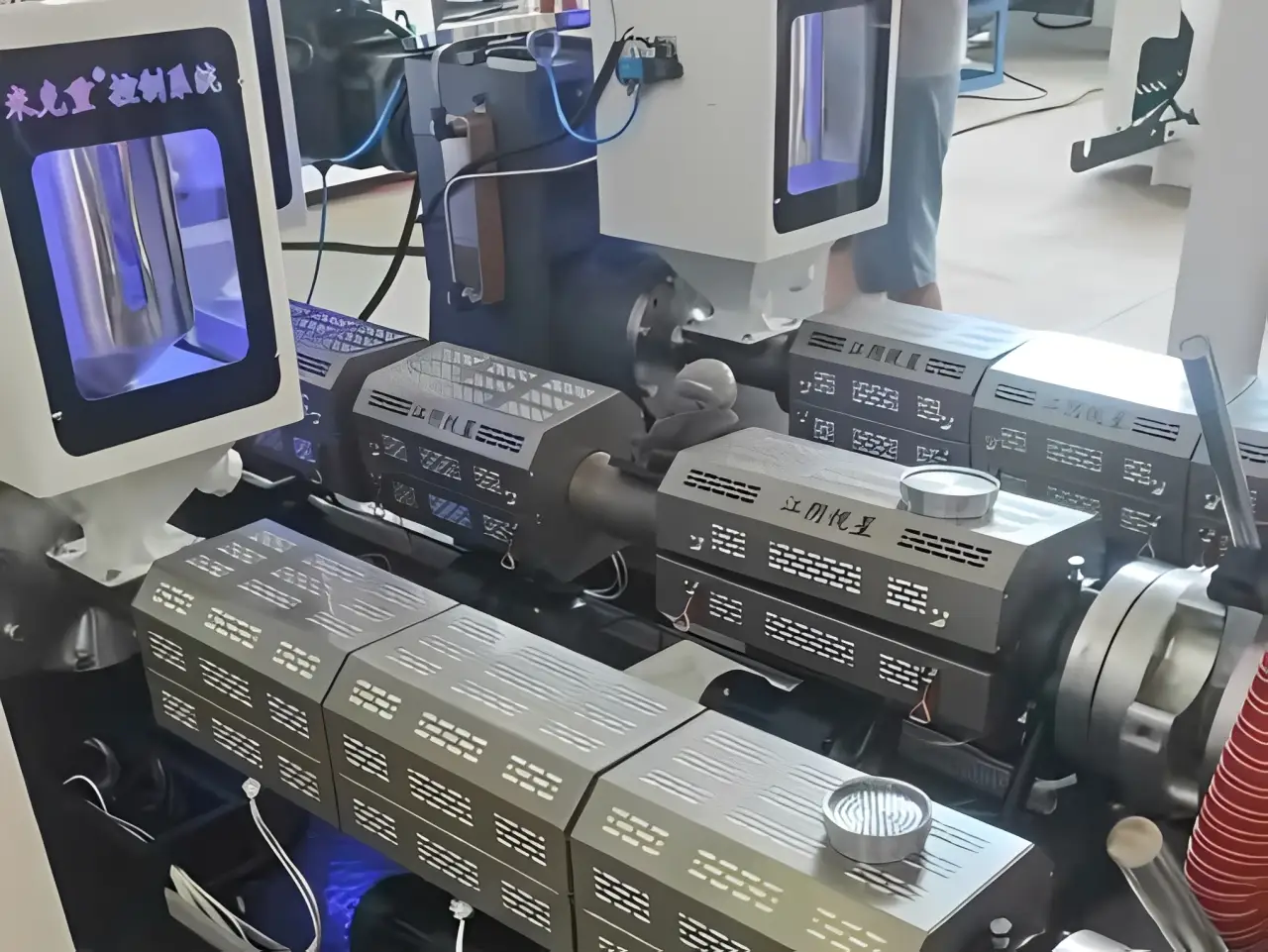
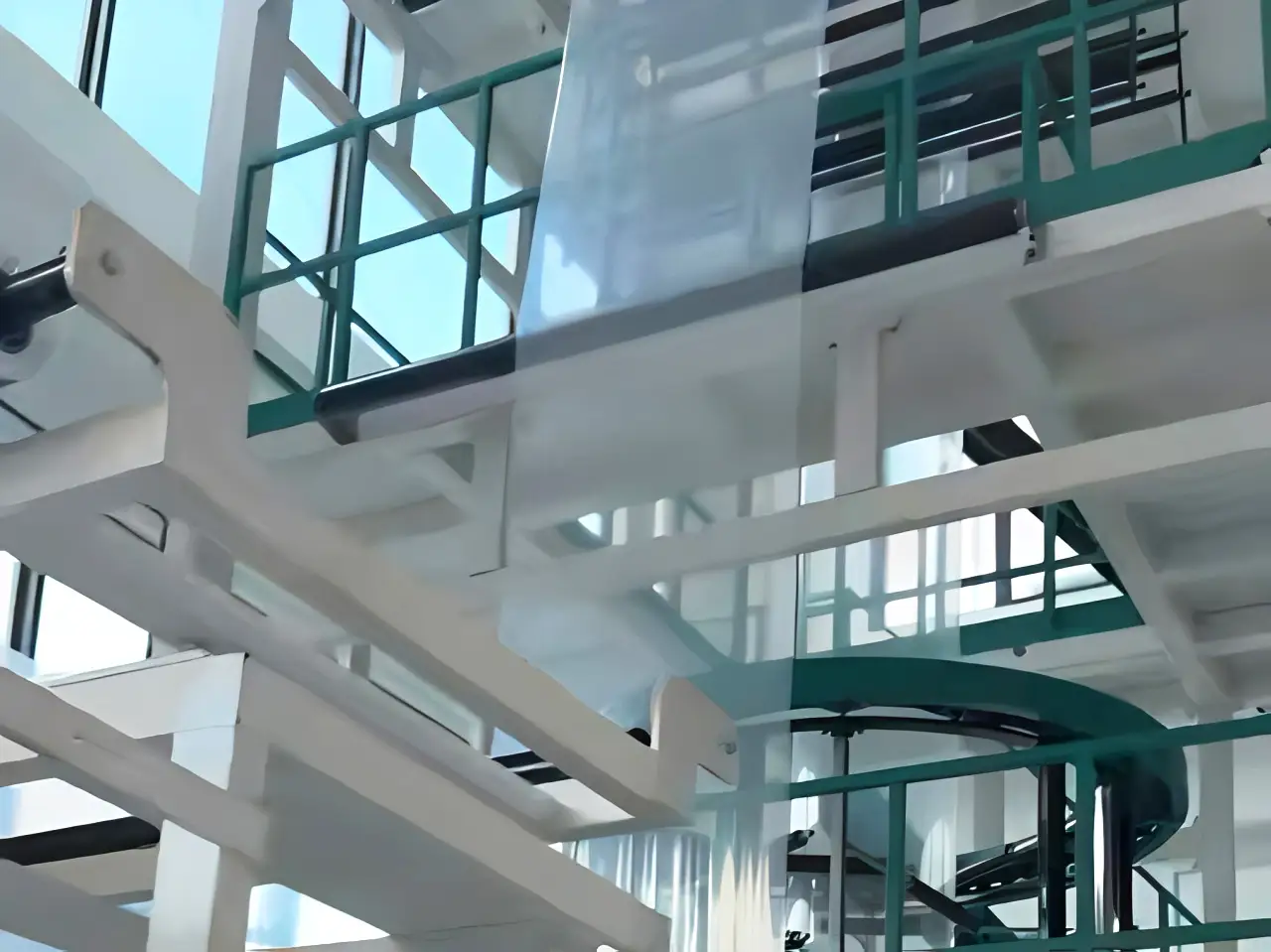
Greenhouse Film Recycling and Film Blowing Machine Development–Technological Innovation for Environmental Needs
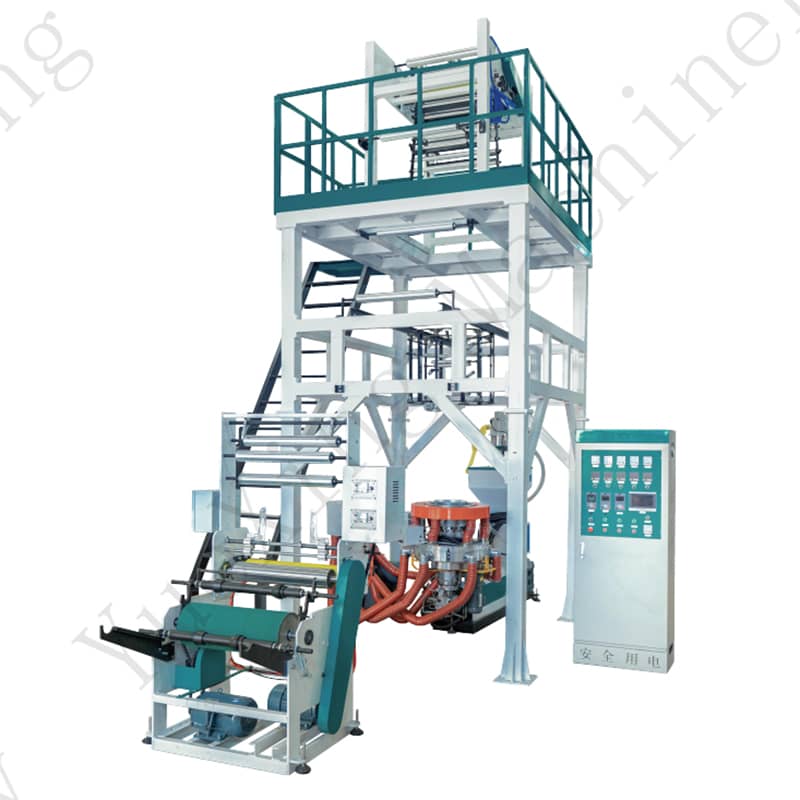
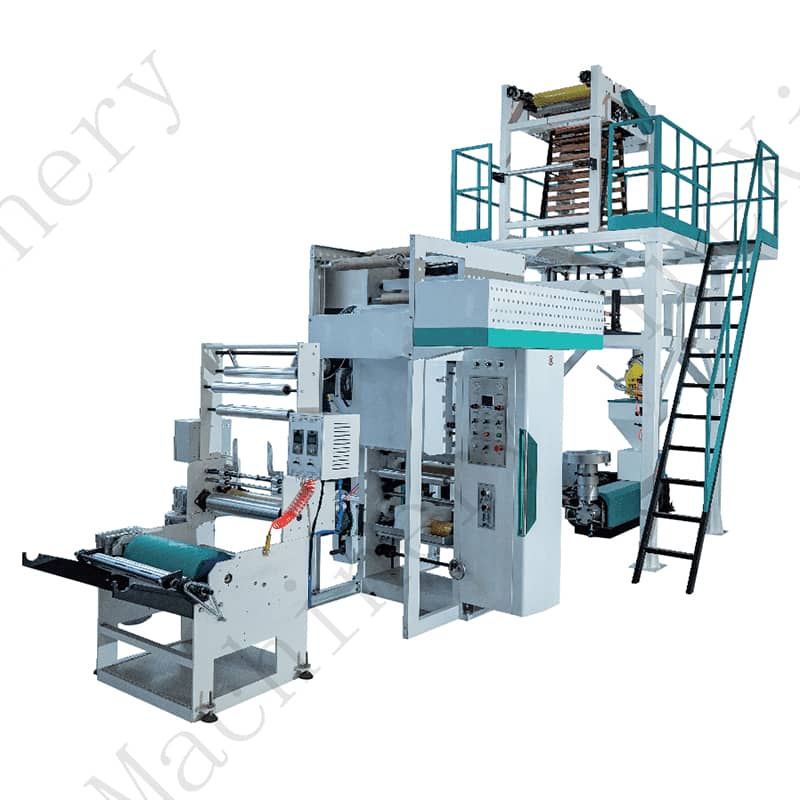
2025-03-10At the 2025 National People's Congress, several representatives raised the issue of greenhouse film recycling, emphasizing the importance of sustainable agricultural development. As a key equipment in plastic film production, film blowing machine play a crucial role in this topic. This article explores the connection between greenhouse film recycling and film blowing machine development, and looks ahead to future technological directions.
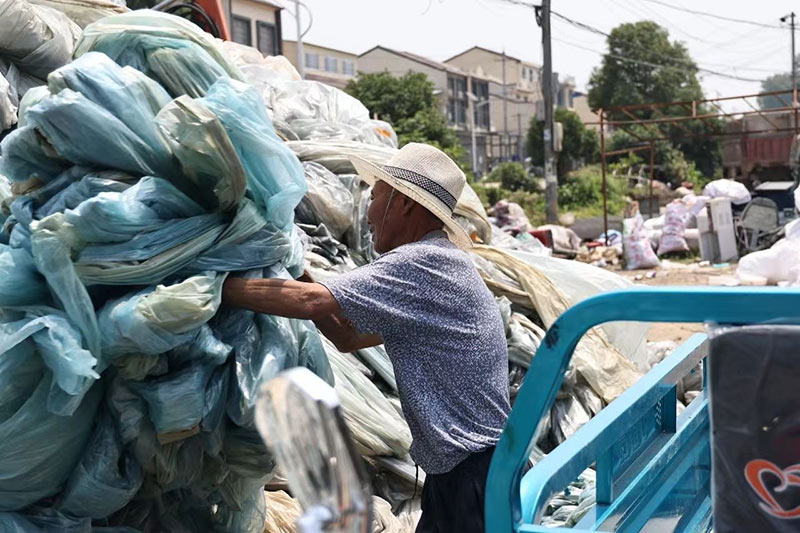
1. Current Status and Challenges of Greenhouse Film Recycling
Status:
Greenhouse films are widely used in agricultural production, but the recycling rate of discarded films is low, leading to severe environmental pollution.
Challenges:
Complex film materials (e.g., LDPE, LLDPE) make efficient separation and recycling difficult.
Traditional films lack biodegradability, causing long-term soil health issues.
2. Innovation Directions for Film Blowing Machine Technology
To address greenhouse film recycling issues, film blowing machine technology needs to innovate in the following areas:
(1)Production of Biodegradable Materials
Direction:
Develop film blowing machines compatible with biodegradable materials (e.g., PLA, PBAT).
Advantage:
Produced films can degrade naturally, reducing environmental pollution.
(2)Application of Multi-Layer Co-Extrusion Technology
Direction:
Produce functional films (e.g., high-barrier, weather-resistant) using multi-layer co-extrusion technology.
Advantage:
Extends film lifespan, reduces replacement frequency, and minimizes waste.
(3)Intelligent and Energy-Efficient Technology
Direction:
Introduce AI control and energy-saving technologies to optimize production processes.
Advantage:
Reduces energy consumption and production costs, improving the economics of film recycling.
3. Future Outlook
Policy Support:
Governments should increase support for biodegradable film production and recycling technologies.
Industry Collaboration:
Film blowing machine manufacturers, film producers, and recycling companies need to collaborate closely to build a closed-loop industrial chain.
Technological Innovation:
Continuously develop environmentally friendly film blowing machines to promote sustainable agricultural film production.
Expert Insights & FAQ
Previous:Our Film blowing machine assembly process
Next:1800 abc Top-spin internal cooling film blowing machine